Introduction
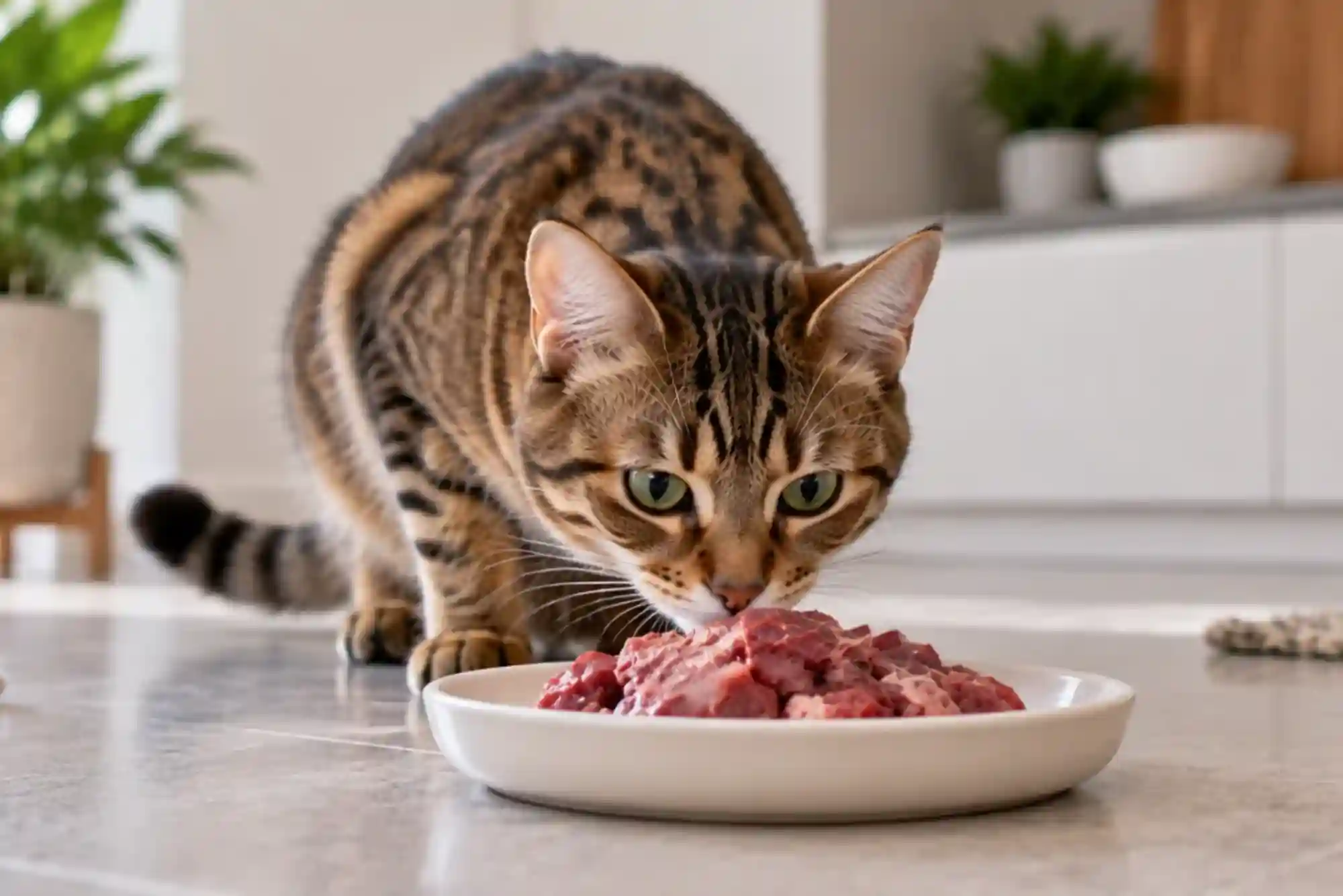
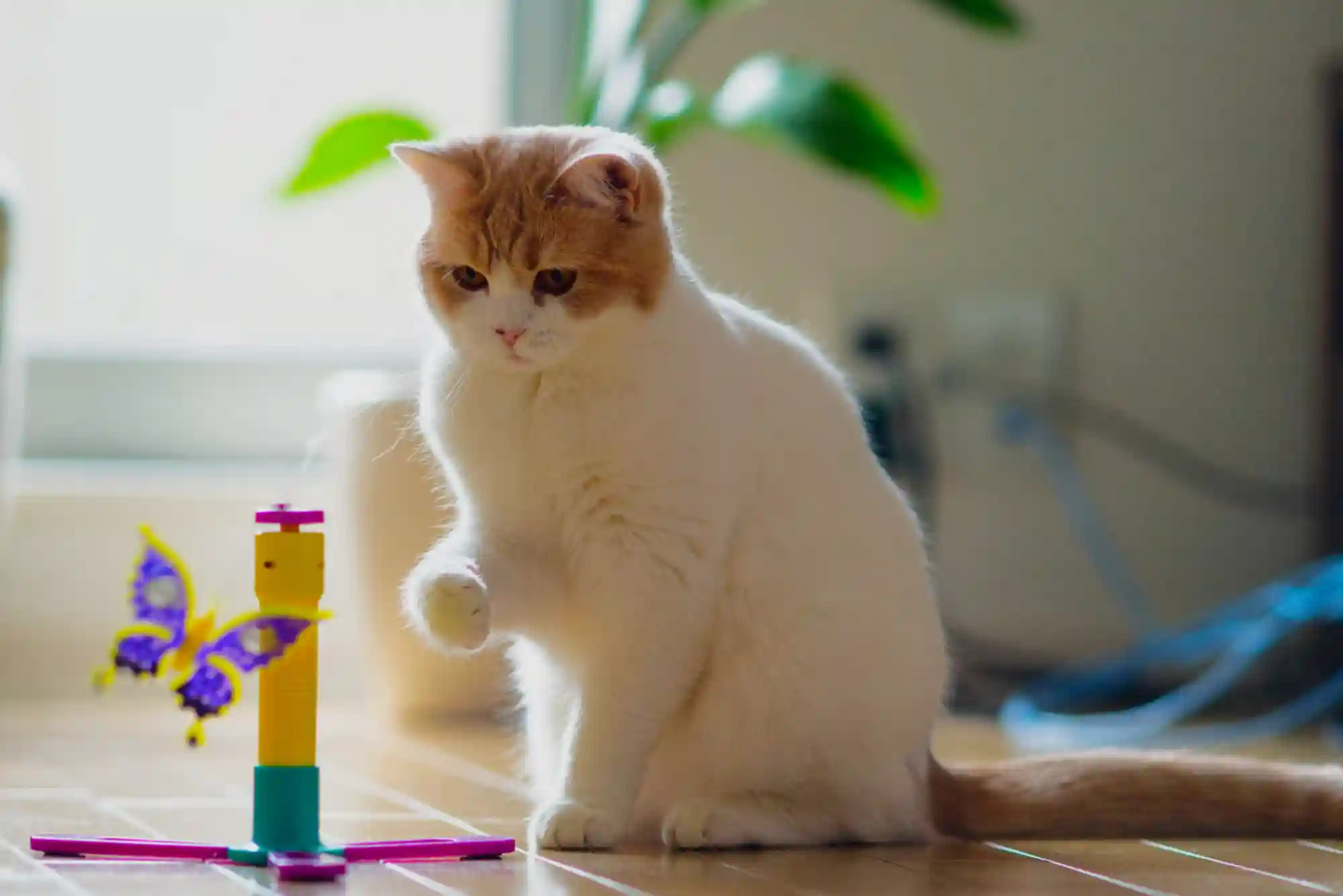
Indoor cats enjoy a comfortable life, but limited space can sometimes lead to boredom. Without enough stimulation, cats may become restless, destructive, or less active. The best interactive cat toys for bored indoor cats (lasers, feathers, mice) help recreate natural hunting experiences while keeping cats physically and mentally engaged.
Cats are natural hunters. They enjoy stalking, chasing, pouncing, and capturing moving objects. Interactive toys encourage these instincts through playful activities that make indoor environments more interesting.
However, choosing the right toy involves more than finding something entertaining. Safety, durability, your cat’s personality, and play preferences all matter. Some cats love chasing feather wands, while others prefer small plush mice or unpredictable electronic toys.
Understanding these differences helps you create a more enjoyable play routine. With suitable toys and regular interaction, you can support your cat’s wellbeing and reduce boredom at home.
Why Indoor Cats Need Interactive Toys
Indoor cats have fewer opportunities to explore, hunt, and investigate their surroundings. Although staying indoors protects them from many outdoor hazards, it can also limit their daily activities.
Interactive toys provide opportunities for exercise and mental stimulation. Chasing a moving feather encourages movement, while searching for a hidden toy challenges a cat’s problem-solving abilities.


Regular play can also strengthen the relationship between cats and their owners. Shared activities build trust and provide positive opportunities for interaction.
Boredom may contribute to excessive vocalization, scratching furniture, nighttime activity, or unwanted attention-seeking. These behaviors can have other causes, so persistent changes deserve attention.
The best interactive cat toys for bored indoor cats offer variety rather than relying on one activity. Combining different toys makes playtime more engaging and helps prevent familiar routines from becoming predictable.
Feather Wand Toys for Natural Hunting
Feather wand toys are excellent choices for cats that enjoy stalking and pouncing. They usually feature feathers or fabric attachments connected to a flexible wand.
When moved across the floor or behind furniture, the attachment resembles small prey. This encourages cats to crouch, follow, leap, and chase.
How to Make Feather Toys More Engaging
Move the wand like a small animal instead of waving it continuously. Let the feathers disappear behind cushions or briefly pause near a corner.
Occasional pauses give your cat time to observe and plan its next move. Short bursts of movement encourage natural hunting behavior without exhausting your pet.
Allow your cat to catch the toy regularly. Constantly moving the attachment beyond reach can cause frustration.
After several successful captures, finish the session with a small treat or part of your cat’s regular meal. This creates a satisfying ending to the hunting sequence.
Feather Toy Safety
Inspect feathers, strings, and attachments before each session. Damaged components can become choking hazards if swallowed.
Never leave a string wand unattended with your cat. Store it securely after play, especially when kittens or particularly enthusiastic chewers are involved.
Laser Toys for Active Indoor Cats
Laser toys attract cats with their fast-moving light. The small, unpredictable dot encourages chasing and can motivate less active cats to move.
Laser play can be especially useful in larger rooms or open spaces. However, it should complement other toys rather than replace them completely.
How to Use Cat Lasers Correctly
Move the light across the floor in short, unpredictable patterns. Avoid directing it into your cat’s eyes or encouraging jumps from unsafe heights.
Give your cat opportunities to pause between bursts of activity. Watch for signs of fatigue, frustration, or overstimulation.
The main drawback is that a light cannot be physically captured. Some cats may become frustrated after repeatedly chasing something they can never catch.
To create a more satisfying experience, finish the session by directing the dot toward a physical toy. Let your cat catch that toy before ending play.
Choose a purpose-made pet laser with suitable safety features. Never use high-powered lasers or direct any laser beam toward eyes.
Interactive Mouse Toys for Indoor Cats
Mouse toys appeal to cats because they resemble familiar prey. They come in soft plush designs, electronic versions, and models that move unpredictably.
Traditional toy mice are affordable and easy to introduce. You can toss one across the floor or hide it behind furniture for your cat to discover.
Electronic mice add movement that can encourage stalking and chasing. Some models vibrate, dart across smooth floors, or change direction automatically.
Choosing the Right Mouse Toy
Consider your cat’s age, activity level, and play style. Lightweight plush mice often suit kittens and cats that enjoy carrying objects.
Cats that prefer chasing moving targets may enjoy battery-powered models. However, some electronic toys are noisy or unsuitable for cautious pets.
Inspect small eyes, tails, bells, and other attachments. Avoid toys that can easily break apart or expose small pieces.
Rotate mouse toys regularly to maintain interest. Placing a few away for several days can make their return more exciting.
Best Interactive Cat Toys for Bored Indoor Cats: Other Options
Lasers, feathers, and mice are useful starting points, but some cats benefit from additional variety.
Puzzle feeders combine food rewards with problem-solving. Cats must move compartments, roll objects, or investigate openings to reach their treats.
Treat-dispensing balls encourage movement while providing a reward. They can make mealtimes more interesting, particularly for cats that enjoy working for food.
Automatic moving toys provide entertainment when owners are occupied. However, they should not replace supervised play and personal interaction.
Crinkle tunnels and hide-and-seek toys create opportunities for ambushing and exploring. These options are particularly helpful for cats that enjoy hiding before chasing their targets.
Choose toys according to your cat’s preferences rather than purchasing every available design. A simple toy that encourages regular play can be more valuable than an expensive gadget that remains untouched.
How to Choose Safe and Suitable Cat Toys
Safety should always come before entertainment. The right toy encourages activity without introducing unnecessary risks.
Look for sturdy construction, secure attachments, and materials designed for pets. Avoid toys with loose threads, easily detached decorations, or accessible batteries.
Consider your cat’s size and chewing habits. Small objects may be dangerous for cats that swallow their toys rather than simply batting them around.
Supervise toys containing strings, ribbons, elastic, or small components. Swallowed string can cause serious intestinal injuries and requires prompt veterinary attention.
Clean toys regularly according to the manufacturer’s instructions. Replace damaged items instead of attempting repairs that might leave exposed staples, loose threads, or other hazards.
Electronic toys need additional care. Check battery compartments, remove damaged batteries promptly, and follow the manufacturer’s supervision guidelines.
Creating a Daily Interactive Play Routine
Consistency matters more than having a large collection of toys. Several short play sessions can help indoor cats remain active throughout the day.
Start with a few minutes of movement and observe your cat’s response. Some cats prefer energetic chasing, while others enjoy slower stalking activities.
Try scheduling play before meals when possible. Hunting-style play followed by food can create a satisfying routine that reflects natural feeding behavior.
Alternate between feather wands, mouse toys, and puzzle feeders. This variety engages different behaviors and reduces dependence on one activity.
Adjust the routine according to your cat’s age and physical condition. Kittens often enjoy frequent play, while senior cats may prefer gentler movements and shorter sessions.
Always let your cat decide when to rest. Panting, hiding, flattened ears, or repeated attempts to leave indicate that play should stop or change.
If your cat suddenly loses interest in previously enjoyable activities, consult a veterinarian. Pain, illness, and stress can affect play behavior.
Common Mistakes to Avoid During Cat Playtime
One common mistake is assuming that independent toys provide enough enrichment. Automatic toys can be helpful, but cats also benefit from interacting with their owners.
Another mistake is using laser toys without providing a physical reward. Ending with a catchable toy or treat may make the experience more satisfying.
Avoid forcing reluctant cats to participate. Instead, experiment with slower movements, quieter toys, or different play locations.
Leaving damaged toys accessible can create unnecessary hazards. Regular inspections help identify loose components before they become dangerous.
Finally, avoid expecting every cat to enjoy the same activities. Some cats love feather wands, while others prefer food puzzles or soft mice.
Frequently Asked Questions
What are the best interactive toys for indoor cats?
The best options include feather wands, plush mice, supervised laser toys, puzzle feeders, and electronic moving toys. The right choice depends on your cat’s preferences, activity level, and safety needs.
How can I entertain an indoor cat that gets bored easily?
Offer regular interactive play, rotate toys, provide climbing opportunities, and introduce food puzzles. Short, varied activities often work better than leaving numerous toys available continuously.
Are laser toys safe for cats?
Laser toys can be safe when used carefully. Never shine the beam into your cat’s eyes, and finish by offering a physical toy your cat can catch.
How long should I play with my cat each day?
Many cats benefit from several short sessions spread throughout the day. Adjust the duration to your cat’s age, health, interest, and energy level rather than following a rigid schedule.
Do cats prefer feather toys or mouse toys?
Preferences vary between individual cats. Feather toys often encourage jumping and chasing, while mouse toys suit cats that enjoy batting, carrying, and stalking smaller objects.
Can interactive toys help reduce destructive behavior?
Interactive toys can help address boredom-related scratching, excessive energy, and attention-seeking. However, destructive behavior may also involve stress, medical problems, or unmet environmental needs.
Conclusion
The best interactive cat toys for bored indoor cats (lasers, feathers, mice) provide more than temporary entertainment. They encourage natural hunting behaviors, promote movement, and make indoor environments more stimulating.