
Introduction
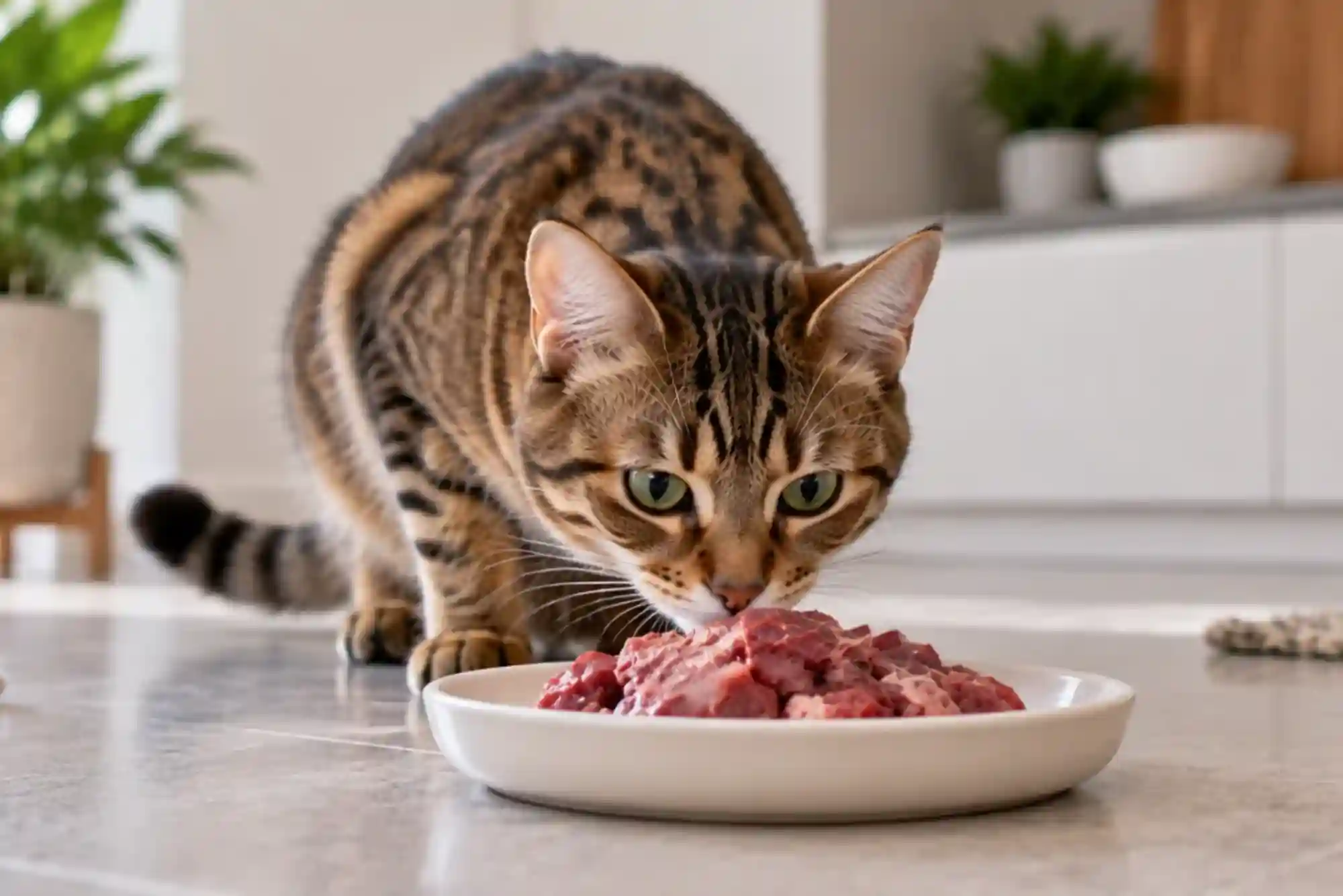
Cats are obligate carnivores, meaning they depend on nutrients naturally found in animal tissues. Their bodies require specific proteins, fats, vitamins, and minerals to remain healthy. Consequently, many owners consider raw feeding an alternative to conventional cat food.
However, a raw diet for cats requires careful planning and an understanding of potential health risks. Raw meat alone cannot provide every nutrient a cat needs. Additionally, contaminated ingredients may expose cats and their families to dangerous pathogens.
Understanding Raw Diet for Cats (Obligate Carnivores): Recipes and Safety Rules helps owners make informed feeding decisions. This guide explains feline nutritional requirements, raw feeding concerns, safer preparation practices, and alternatives to homemade raw meals.
Understanding Why Cats Are Obligate Carnivores
Cats evolved to obtain essential nutrients from animal-based foods. Unlike many omnivores, they cannot produce sufficient amounts of certain nutrients from other dietary sources.
For example, cats require taurine, an amino acid essential for normal heart function, vision, and reproduction. They also need preformed vitamin A and dietary arachidonic acid. Their requirements for several B vitamins differ from those of other mammals.
Animal tissues provide many of these nutrients. Nevertheless, the nutritional value of meat varies considerably depending on the cut and preparation method.


A diet consisting mainly of muscle meat can lack calcium, iodine, vitamin D, and other essential nutrients. Some deficiencies develop gradually, making them difficult to recognize during the early stages.
Therefore, being an obligate carnivore does not automatically make raw meat a complete diet. Cats need balanced nutrition, not simply uncooked animal products.
Raw Diet for Cats: Understanding the Potential Benefits
Supporters of raw feeding often prefer minimally processed ingredients. They may believe raw meat resembles the natural food cats consumed before domestication.
Raw meals can contain substantial animal protein and moisture. These characteristics can support normal hydration and help meet feline protein requirements when the overall diet is appropriately formulated.
However, these potential benefits do not establish that raw feeding is healthier than complete commercial cat food. There is limited strong evidence demonstrating that raw diets consistently improve long-term feline health.
Some cats also experience digestive problems when their food changes abruptly. Others may struggle with meals containing excessive fat or an inappropriate nutrient balance.
Consequently, owners should evaluate nutritional completeness, food safety, and individual health needs before choosing raw feeding.
Nutritional Requirements for a Balanced Feline Diet
Protein, Fat, and Taurine
Protein supports muscle maintenance, tissue repair, and numerous essential bodily functions. Cats generally require diets rich in highly digestible animal protein.
Dietary fat supplies concentrated energy and essential fatty acids. However, the correct fat level depends on the cat’s age, activity, body condition, and medical needs.
Taurine is particularly important because cats cannot synthesize enough to meet their requirements. Inadequate taurine intake can cause serious problems, including heart disease and retinal degeneration.
Calcium and Phosphorus
Calcium and phosphorus support bones, teeth, and normal cellular processes. Their balance is especially important for growing kittens.
Muscle meat contains considerably more phosphorus than calcium. Feeding boneless meat without appropriate supplementation can therefore create serious nutritional imbalances.
Ground bone is not a universally safe solution. Its mineral contribution varies, and excessive bone can cause constipation or other complications.
Vitamins and Essential Minerals
Cats need appropriate amounts of vitamins A, D, E, and several B vitamins. They also require minerals such as iron, zinc, copper, manganese, and iodine.
Liver contains several valuable nutrients but can provide excessive vitamin A when fed inappropriately. Similarly, supplements can become harmful when added without accurate formulation.
A complete feline diet must supply every essential nutrient in suitable proportions. Veterinary nutrition guidance is therefore important when preparing homemade meals.
Raw Diet for Cats: Recipes and Safe Preparation
Homemade raw cat food recipes often combine muscle meat, organ meat, and additional nutrients. However, the proportions must be calculated carefully to meet feline nutritional standards.
Why Simple Raw Meat Recipes Are Incomplete
A common homemade recipe might include chicken, beef, liver, and a small amount of fish. Although these ingredients provide protein and several nutrients, they do not automatically create a balanced meal.
For instance, chicken breast contains protein but provides insufficient calcium for a complete diet. Adding liver without calculating the total vitamin A content can also create nutritional excesses.
Therefore, online recipes should not replace professionally formulated feline diets. The American Veterinary Medical Association discourages feeding raw or undercooked animal proteins because of associated health risks.
A Safer Recipe Alternative
Instead of preparing an unbalanced raw mixture, consider a complete commercial cat food labeled for the appropriate life stage. Choose a product that meets recognized nutritional standards and provides clear manufacturer information.
If you prefer homemade feeding, consult a board-certified veterinary nutritionist. They can formulate a cooked recipe using appropriate ingredients and precise supplements.
A professional recipe may include cooked poultry, suitable organ ingredients, a measured calcium source, and a feline-specific vitamin and mineral supplement. However, the exact ingredients and quantities must follow the individualized formulation.
Do not use this example as a complete recipe without professional guidance. Ingredient substitutions can significantly change nutritional content.
Essential Safety Rules for Raw Feeding
Understand Bacterial Contamination
Raw meat can contain Salmonella, Listeria, Campylobacter, and harmful strains of E. coli. These pathogens can affect cats and humans.
Importantly, some infected cats show no obvious symptoms. Nevertheless, they may shed harmful organisms through their feces and contaminate household surfaces.
The FDA warns that raw pet foods can carry foodborne pathogens. Freezing does not reliably eliminate these risks.
Follow Careful Food Handling Practices
If raw food is already part of your cat’s feeding routine, minimize exposure while discussing safer alternatives with your veterinarian. Keep raw ingredients separate from human food and use dedicated preparation equipment.
Wash your hands thoroughly after handling raw ingredients or food bowls. Clean and disinfect preparation surfaces according to product instructions.
Refrigerate food promptly and discard leftovers according to the manufacturer’s guidance. Never leave raw meat sitting at room temperature for extended periods.
Pregnant people, young children, older adults, and immunocompromised individuals face greater risks from foodborne pathogens. Raw pet food is particularly inappropriate for households with vulnerable members.
Avoid Bones and Unsafe Ingredients
Raw bones can break teeth, cause constipation, or obstruct the digestive tract. Cooked bones can also splinter and cause serious injuries.
Never assume that grinding bones makes a homemade diet nutritionally complete. Mineral levels still require accurate calculation.
Avoid onions, garlic, chocolate, alcohol, and other foods known to harm cats. Raw eggs and unpasteurized dairy can introduce additional hazards.
Is Raw Food Suitable for Every Cat?
Raw feeding deserves particular caution when choosing food for kittens, pregnant cats, senior cats, or animals with existing medical conditions.
Kittens need carefully balanced nutrition to support rapid growth and skeletal development. An inappropriate calcium-to-phosphorus ratio can cause serious developmental problems.
Cats with weakened immune systems may also be more vulnerable to foodborne infections. Similarly, cats with digestive disorders or other medical needs may require specific therapeutic diets.
Before changing your cat’s diet, discuss its age, weight, activity level, and medical history with a veterinarian. Monitor appetite, stool quality, body weight, and energy levels after any dietary change.
If your cat develops persistent vomiting, diarrhea, weakness, or refuses food, seek veterinary advice promptly.
Frequently Asked Questions
Is a raw diet healthy for cats?
A raw diet can provide animal protein, but it also carries contamination and nutritional imbalance risks. Current evidence does not establish consistent long-term health advantages over complete, balanced commercial diets. <Cite refs={[“turn651621search36″,”turn651621search11”]}/>
What raw meat can cats eat?
Cats can consume various animal proteins, but raw meat may contain harmful pathogens. A meat’s suitability does not mean it is safe to serve uncooked. Complete commercial diets or appropriately formulated cooked meals offer safer alternatives.
Can I make raw cat food at home?
Homemade cat food is possible, but nutritional formulation requires specialist knowledge. Meat, liver, and bones alone rarely provide every nutrient in the correct proportions. Ask a veterinary nutritionist to develop a balanced recipe.
Do cats need raw meat because they are obligate carnivores?
No. Obligate carnivores require specific nutrients that animal-based ingredients can supply. Those nutrients can also be provided through complete commercial foods and properly formulated cooked diets. Raw meat itself is not essential.
Is freeze-dried raw cat food safe?
Freeze-drying does not reliably eliminate every harmful pathogen. Check the manufacturer’s safety controls and consult your veterinarian before choosing these products. <Cite refs={[“turn651621search36″,”turn651621search7”]}/>
Conclusion
Understanding Raw Diet for Cats (Obligate Carnivores): Recipes and Safety Rules helps owners recognize the difference between animal-based nutrition and a genuinely complete diet.