
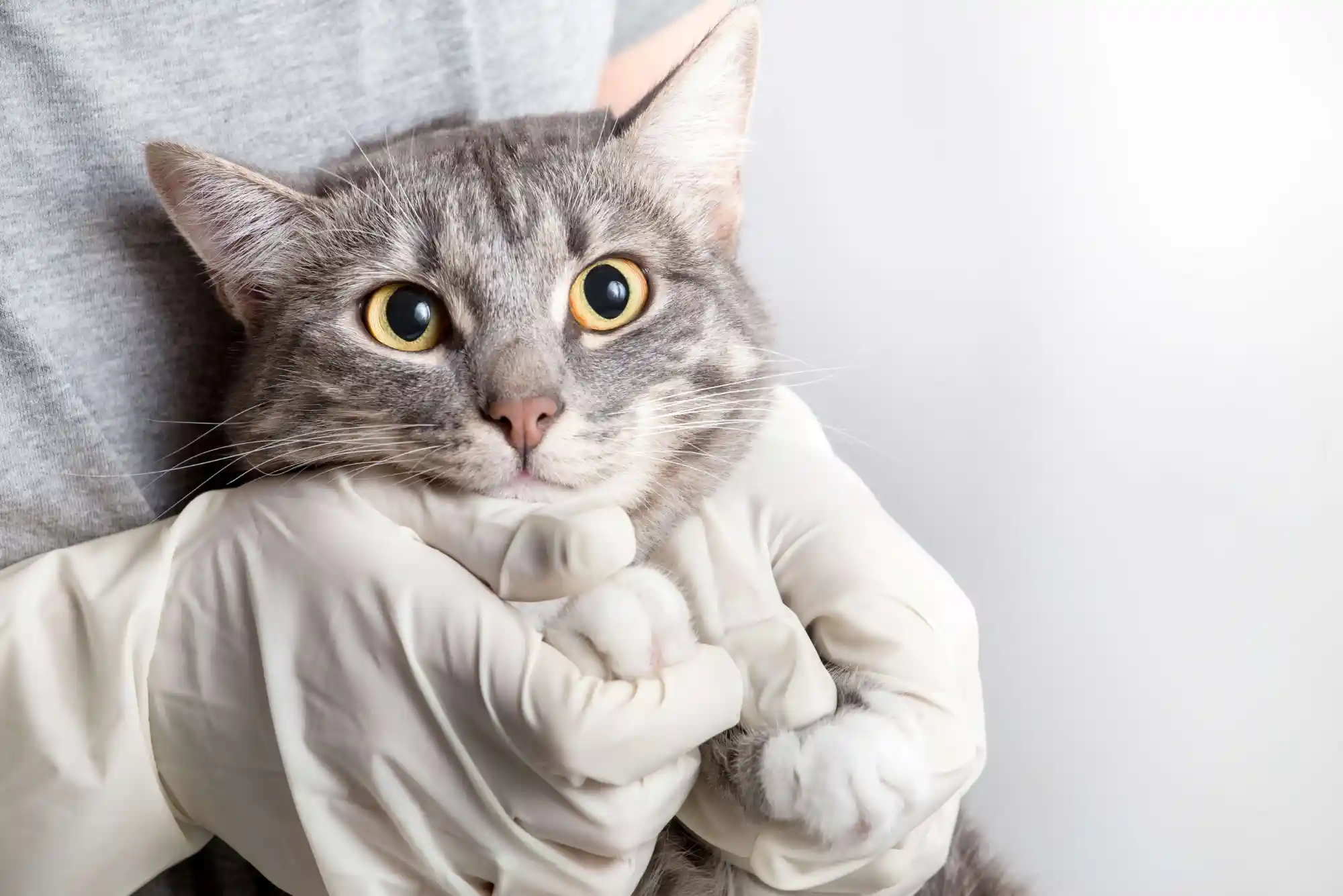
Feline Diabetes Symptoms: Excessive Thirst, Weight Loss, and Insulin
Diabetes is a common endocrine disorder in cats, and recognizing feline diabetes symptoms early can make a major difference in treatment. The classic signs include excessive thirst, increased urination, weight loss, and increased appetite. Some cats may also become less active or develop weakness in their hind legs.
Understanding how feline diabetes develops, why these symptoms occur, and how insulin fits into treatment can help owners recognize potential problems and work more effectively with their veterinarian.
What Is Feline Diabetes?
Feline diabetes mellitus occurs when a cat’s body cannot properly regulate blood glucose. Insulin, a hormone produced by the pancreas, helps move glucose from the bloodstream into cells where it can be used for energy.
When insulin is insufficient or the body’s cells do not respond properly to it, glucose remains in the bloodstream. Persistent high blood glucose can eventually produce the characteristic feline diabetes symptoms.
Most diabetic cats have a form resembling type 2 diabetes in humans, involving insulin resistance and impaired insulin production. Obesity, increasing age, inactivity, and certain medications can increase the risk.
Diabetes can develop gradually, so the earliest signs may be easy to overlook. A cat might simply appear hungrier, visit the water bowl more frequently, or gradually become thinner.


Feline Diabetes Symptoms to Watch For
Recognizing changes in your cat’s normal routine is one of the most useful things you can do. The most characteristic feline diabetes symptoms involve thirst, urination, appetite, and body weight.
Excessive Thirst
One of the most noticeable feline diabetes symptoms is drinking considerably more water than usual.
When blood glucose becomes too high, glucose can spill into the urine. This draws additional water into the urine, causing the cat to lose more fluid. The body responds by increasing thirst.
You may notice your cat spending more time at the water bowl, drinking from unusual sources, or emptying its bowl faster.
A sudden or persistent increase in drinking should be discussed with a veterinarian. Kidney disease, hyperthyroidism, and other conditions can also cause excessive thirst.
Increased Urination
Excessive thirst and increased urination usually occur together.
Because high glucose levels cause more water to be lost through urine, diabetic cats may produce larger amounts of urine. Owners may notice larger clumps in the litter box or more frequent trips to the box.
If a normally tidy cat suddenly starts urinating outside the litter box, do not assume the problem is behavioral. Medical conditions can change urinary habits.
Weight Loss Despite Eating
Weight loss is another important feline diabetes symptom.
It may seem strange for a cat to lose weight while eating normally or even eating more. When glucose cannot efficiently enter cells, the body cannot use this fuel normally. It begins using stored fat and protein for energy, which can contribute to weight loss.
This is why increased appetite combined with unexplained weight loss can be particularly significant.
Increased Appetite
Many diabetic cats become unusually hungry. The body’s cells are effectively unable to make proper use of circulating glucose, even though there is plenty of glucose in the bloodstream.
As a result, the cat may appear hungry soon after eating. Increased appetite combined with increased thirst, urination, and weight loss creates a classic pattern associated with feline diabetes.
However, appetite changes alone are not enough to diagnose diabetes.
Reduced Activity and Hind-Leg Weakness
Some cats with diabetes become less active. In more advanced or poorly controlled cases, diabetic neuropathy can cause weakness in the hind limbs.
A characteristic sign is a plantigrade stance, where the cat appears to stand or walk with the hocks closer to the ground than normal.
Other cats may simply seem tired, sleep more, or show less interest in normal activities.
Why Do Cats With Diabetes Lose Weight?
Understanding weight loss helps explain several feline diabetes symptoms.
Normally, insulin helps glucose move from the bloodstream into cells. The cells then use glucose for energy. When insulin is absent, insufficient, or ineffective, glucose accumulates in the blood rather than being adequately used by tissues.
The body responds by breaking down fat and protein to obtain energy. Over time, this can cause noticeable muscle and body-weight loss.
This is also why diabetes should not be ignored simply because a cat continues eating. A cat that is eating well but steadily losing weight needs veterinary evaluation.
How Is Feline Diabetes Diagnosed?
A veterinarian usually considers the cat’s clinical signs alongside blood and urine testing.
Diabetes is generally diagnosed by finding persistent high blood glucose together with glucose in the urine. However, cats can develop temporary increases in blood glucose because visiting a veterinary clinic can be stressful.
When results are uncertain, a veterinarian may recommend a fructosamine test. This provides an indication of average blood glucose over roughly the previous couple of weeks and can help distinguish persistent diabetes from temporary stress-related hyperglycemia.
Additional testing may be recommended because conditions such as kidney disease, hyperthyroidism, pancreatitis, and urinary infections can produce overlapping symptoms.
Insulin and Feline Diabetes Treatment
Insulin remains an important treatment for many diabetic cats. The specific insulin, dose, timing, and treatment approach should be determined by a veterinarian based on the individual cat.
Commonly used insulin preparations include protamine zinc insulin and insulin glargine. Different insulin products have different concentrations and durations of action, so owners should use exactly the insulin and syringe type prescribed.
Many cats receive insulin approximately every 12 hours, although the exact schedule varies according to the treatment plan. Owners can generally be taught to administer injections under the skin at home.
The goal is not simply to reduce blood glucose. Treatment aims to control clinical signs, maintain an appropriate body weight, prevent dangerously low blood glucose, and reduce the risk of complications.
Never change your cat’s insulin dose on your own. Even a seemingly small adjustment can cause hypoglycemia.
Can a Diabetic Cat Go Into Remission?
An important aspect of feline diabetes is that some cats can achieve diabetic remission.
Remission means the cat can maintain appropriate blood glucose levels without continuing insulin treatment. The likelihood depends on factors such as the cat’s individual disease, response to treatment, diet, body condition, and how long diabetes has been present.
Remission does not mean owners should stop monitoring their cat. Blood glucose can rise again, so ongoing veterinary follow-up remains important.
Diet and Weight Management
Diet is another important part of managing feline diabetes.
Veterinarians may recommend diets that support blood glucose regulation, with lower-carbohydrate food often being useful for diabetic cats. Wet food can also help increase water intake.
For overweight cats, controlled weight loss can improve insulin sensitivity. However, weight reduction should be gradual and supervised. Rapid weight loss can create additional health problems in cats.
The ideal diet is not identical for every diabetic cat. Your veterinarian can consider the cat’s weight, appetite, other medical conditions, medications, and treatment response when recommending food.
Monitoring a Cat With Diabetes
Once treatment begins, monitoring becomes part of everyday care.
Owners may be asked to keep track of body weight, water consumption, appetite, urination, activity, and insulin administration. Blood glucose monitoring may also be performed at home or during veterinary visits.
Keeping consistent records can help your veterinarian recognize trends and determine whether treatment is working.
One important rule is simple: never adjust insulin based only on a single observation unless your veterinarian has provided specific instructions for doing so.
When Feline Diabetes Symptoms Become an Emergency
Untreated or poorly controlled diabetes can lead to diabetic ketoacidosis, a serious medical emergency.
Warning signs can include lethargy, weakness, reduced appetite, vomiting, dehydration, and breathing difficulties. A cat showing these symptoms requires prompt veterinary attention.
Low blood glucose is another emergency that can occur if a diabetic cat receives too much insulin. Signs can include weakness, lethargy, shaking, poor coordination, seizures, or collapse.
If you suspect hypoglycemia after insulin administration, contact a veterinarian immediately and follow the emergency instructions your veterinary team has provided.
FAQs
What are the first signs of diabetes in a cat?
Common early signs include increased thirst, increased urination, increased appetite, and unexplained weight loss. These symptoms can develop gradually, so changes in water consumption and body weight are worth monitoring.
How can you tell if a cat has diabetes?
A veterinarian typically looks for characteristic symptoms and confirms the condition through blood and urine testing. Persistent high blood glucose and glucose in the urine support a diagnosis.
Why is my cat drinking so much water but losing weight?
Excessive thirst and unexplained weight loss are classic feline diabetes symptoms, particularly when they occur alongside increased urination and appetite. However, kidney disease, hyperthyroidism, and other conditions can cause similar changes, so veterinary testing is important.
Can feline diabetes be cured?
Some cats can enter diabetic remission and no longer require insulin, particularly when diabetes is identified and managed effectively. Remission does not happen in every cat, and continued monitoring is important because diabetes can return.
Do diabetic cats always need insulin?
Not necessarily. Insulin is a major treatment option, but some cats may be candidates for oral diabetes medications under veterinary supervision. Treatment depends on the cat’s overall health, disease severity, and individual circumstances.
How long can a cat live with diabetes?
A diabetic cat’s outlook varies considerably. Good glucose control, appropriate nutrition, regular monitoring, and prompt management of complications can help support a good quality of life. Your veterinarian is best positioned to discuss the outlook for an individual cat.
Recognizing feline diabetes symptoms early can help you seek veterinary care before complications develop. Excessive thirst, frequent urination, weight loss despite eating, increased appetite, reduced activity, and hind-leg weakness are important changes to take seriously.
Diabetes can often be managed with a combination of insulin or other appropriate medication, dietary management, weight control, and regular monitoring. Some cats may even achieve remission with successful treatment.