Introduction
Hairballs are a common part of life with cats, especially for indoor pets that spend a significant amount of time grooming themselves. While an occasional hairball may not be a serious concern, frequent vomiting, repeated gagging, or difficulty passing hair can point to an underlying problem. Learning how to prevent and treat hairballs in indoor cats can help keep your cat comfortable while reducing unnecessary mess around the home.
When cats groom themselves, tiny backward-facing structures on their tongues catch loose fur and carry it into the digestive system. Most swallowed hair passes naturally through the intestines and leaves the body in the stool. However, some hair can collect in the stomach and form a compact mass known as a trichobezoar, commonly called a hairball.
Indoor cats can be particularly prone to hairballs because they may groom frequently, have consistent access to warm indoor environments, and spend less time engaged in outdoor activity. Long-haired breeds are also at greater risk because they naturally swallow more loose fur during grooming.
For broader information about feline conditions, owners can explore Cat Health & Illnesses and learn more about everyday pet care through Lookme.
Why Do Indoor Cats Get Hairballs?
Hairballs begin with normal feline grooming. Cats are naturally clean animals, and grooming can occupy a considerable part of their daily routine. Their rough tongues collect loose and dead hairs, which are then swallowed.
Hair itself is largely made of keratin, a tough protein that the digestive system cannot break down easily. Much of the swallowed hair travels through the digestive tract and is eliminated with feces. Some, however, remains in the stomach and gradually becomes tangled with additional hair.
Indoor Living Can Increase Grooming
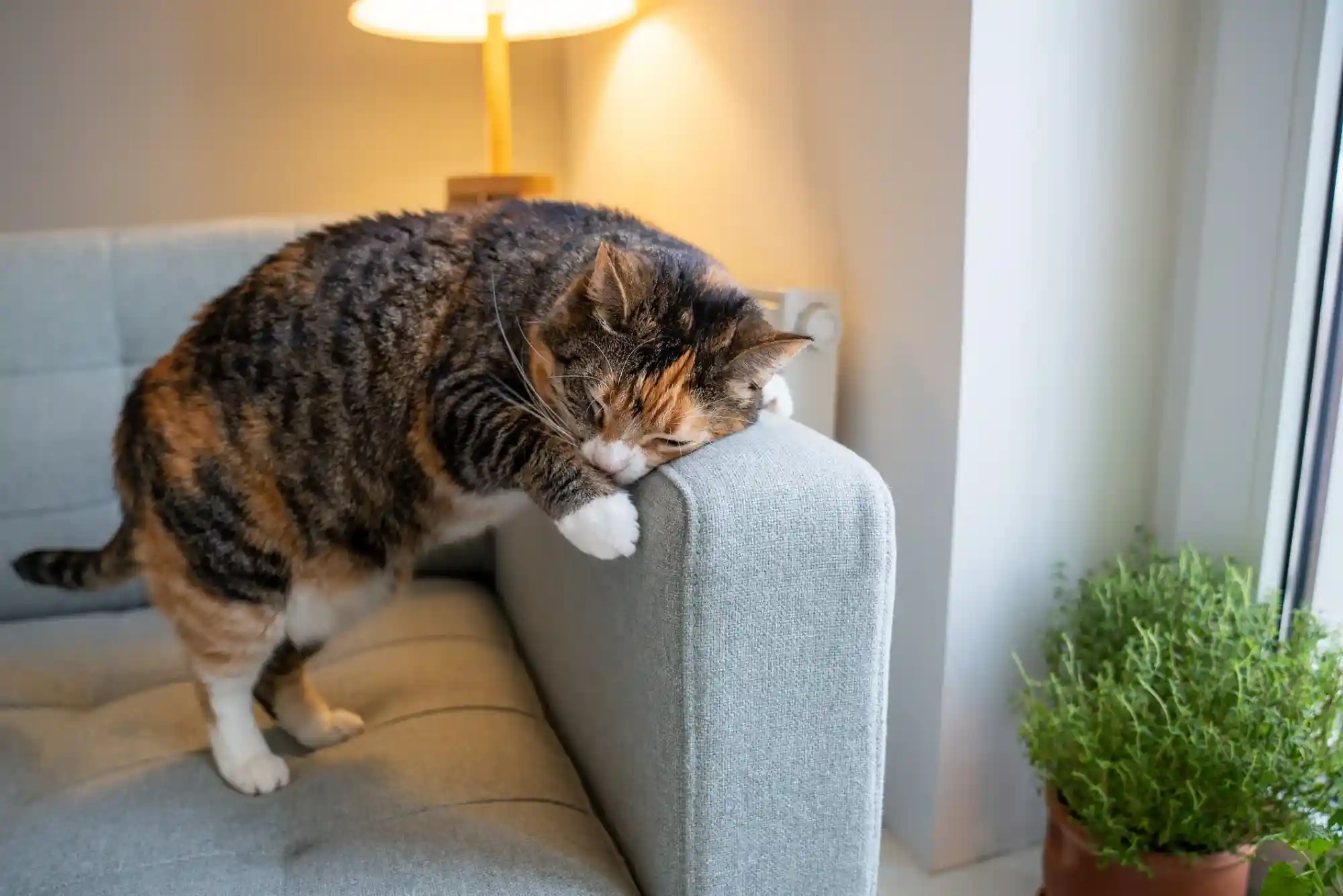
Indoor cats often have predictable routines and fewer opportunities for outdoor exploration. Some cats respond to boredom, stress, or changes in their environment by grooming more than usual. Excessive grooming means more loose hair is swallowed, increasing the likelihood of hairballs.
If you notice that your cat is suddenly licking, biting, or pulling at its coat much more frequently, do not automatically assume the problem is simply hairballs. Skin allergies, parasites, irritation, pain, and stress can all contribute to over-grooming.
Long-Haired Cats Need Extra Attention
Persians, Maine Coons, Ragdolls, and other long-haired cats generally need more grooming than short-haired cats. The more loose fur a cat carries, the greater the opportunity for hair to be swallowed during self-cleaning.
This does not mean every long-haired cat will develop problematic hairballs. Consistent grooming can remove much of the loose fur before your cat has the opportunity to ingest it.
How to Prevent Hairballs in Indoor Cats
The most effective approach is prevention rather than waiting for a hairball to become a problem. Fortunately, several simple habits can reduce the amount of hair your cat swallows.
Brush Your Cat Regularly
Regular brushing is one of the most useful ways to prevent hairballs in indoor cats. When you remove loose fur with a brush or comb, that hair cannot be swallowed during grooming.
Short-haired cats may benefit from brushing several times a week, while long-haired cats may require daily grooming. During periods of heavy shedding, increasing the frequency can be especially helpful.
Introduce brushing gradually if your cat dislikes it. Start with very short sessions and reward calm behavior. A comfortable grooming routine is more effective than forcing a cat through a stressful session.
Cornell Veterinary Medicine specifically recommends daily brushing and combing as a way to reduce hairball development.
Keep the Coat Healthy
A healthy coat generally means less excessive shedding and fewer reasons for your cat to over-groom. Feed a nutritionally complete diet appropriate for your cat’s age and lifestyle, and make sure fresh water is always available.
If your cat develops bald patches, redness, scabs, excessive dandruff, or persistent itching, speak with a veterinarian. A skin problem can trigger excessive licking, which may dramatically increase the amount of hair your cat consumes.
Encourage Hydration
Good hydration supports normal digestive function and helps maintain healthy stool consistency. Some cats naturally drink little water, so owners may need to make drinking more appealing.
Fresh water should be available throughout the day. Some cats prefer running water from a pet fountain, while others drink more readily when several water bowls are placed around the home. Wet food can also contribute to overall water intake.
Hydration alone will not eliminate hairballs, but it can be an important part of maintaining normal digestive health.
Provide Regular Activity
Indoor enrichment can also help. Interactive play, climbing opportunities, scratching areas, puzzle feeders, and other forms of mental stimulation may reduce boredom-related over-grooming in some cats.
Play does not directly dissolve hairballs, but a mentally and physically engaged cat may be less likely to spend excessive time grooming simply because there is nothing else to do.
Can Cat Food Help Prevent Hairballs?
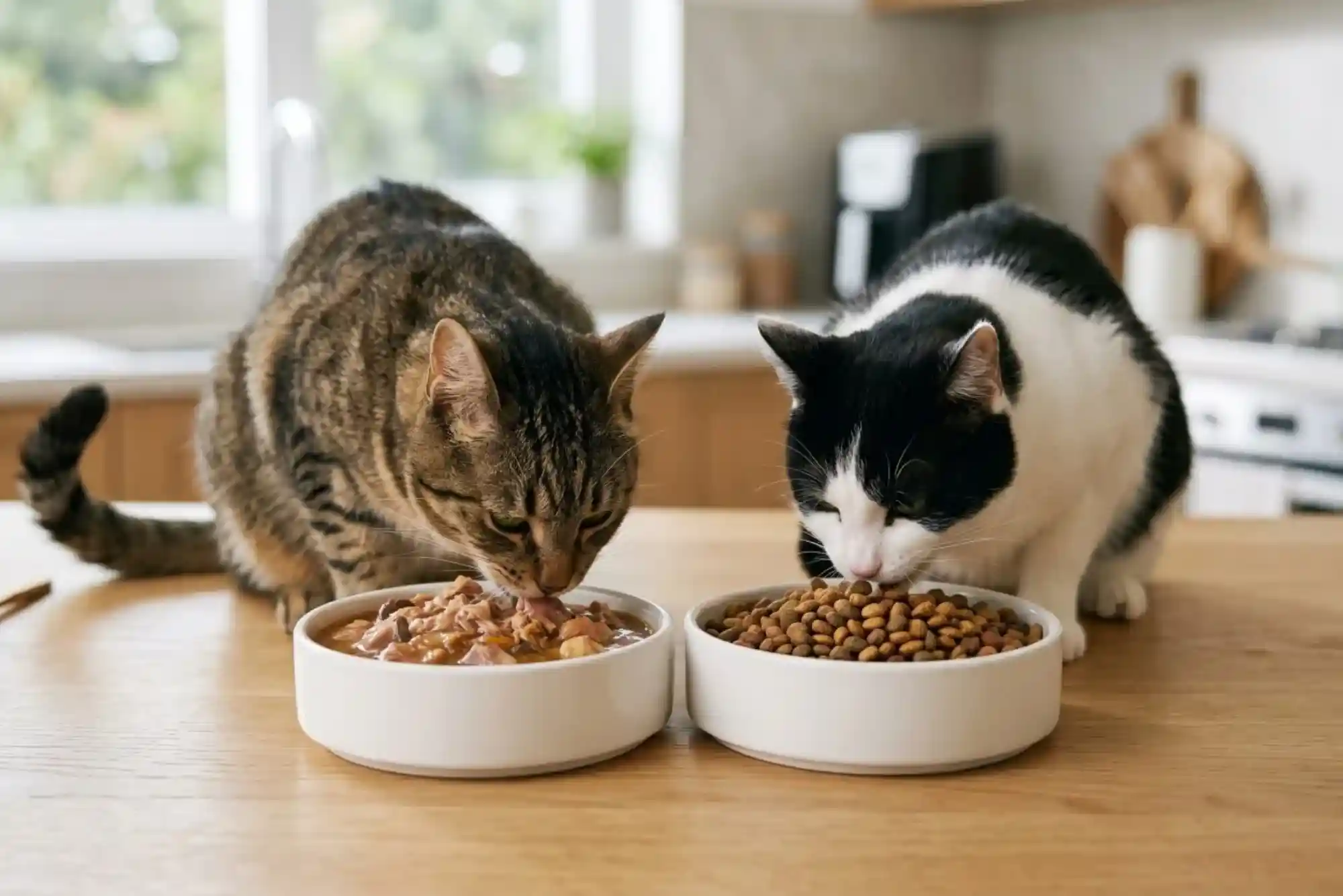
Diet can play a supporting role in hairball management. Some commercial cat foods are formulated specifically for cats prone to hairballs and may contain increased fiber or other ingredients intended to support the movement of swallowed hair through the digestive tract.
However, a hairball-focused diet should not be treated as a universal solution. If your cat is producing frequent hairballs, vomiting repeatedly, losing weight, or showing changes in appetite, a veterinarian should investigate the underlying cause rather than simply changing food.
Digestive problems can affect how material moves through the gastrointestinal tract. Conditions associated with altered Feline Digestive Motility may make it more difficult for swallowed hair to move normally.
You can also consult PetMD for additional general information about feline digestive health, while remembering that online resources cannot replace an examination by a veterinarian.
How to Treat Hairballs in Indoor Cats
For an otherwise healthy cat that occasionally produces a hairball and quickly returns to normal behavior, treatment may not be necessary. The priority is usually reducing future hair ingestion.
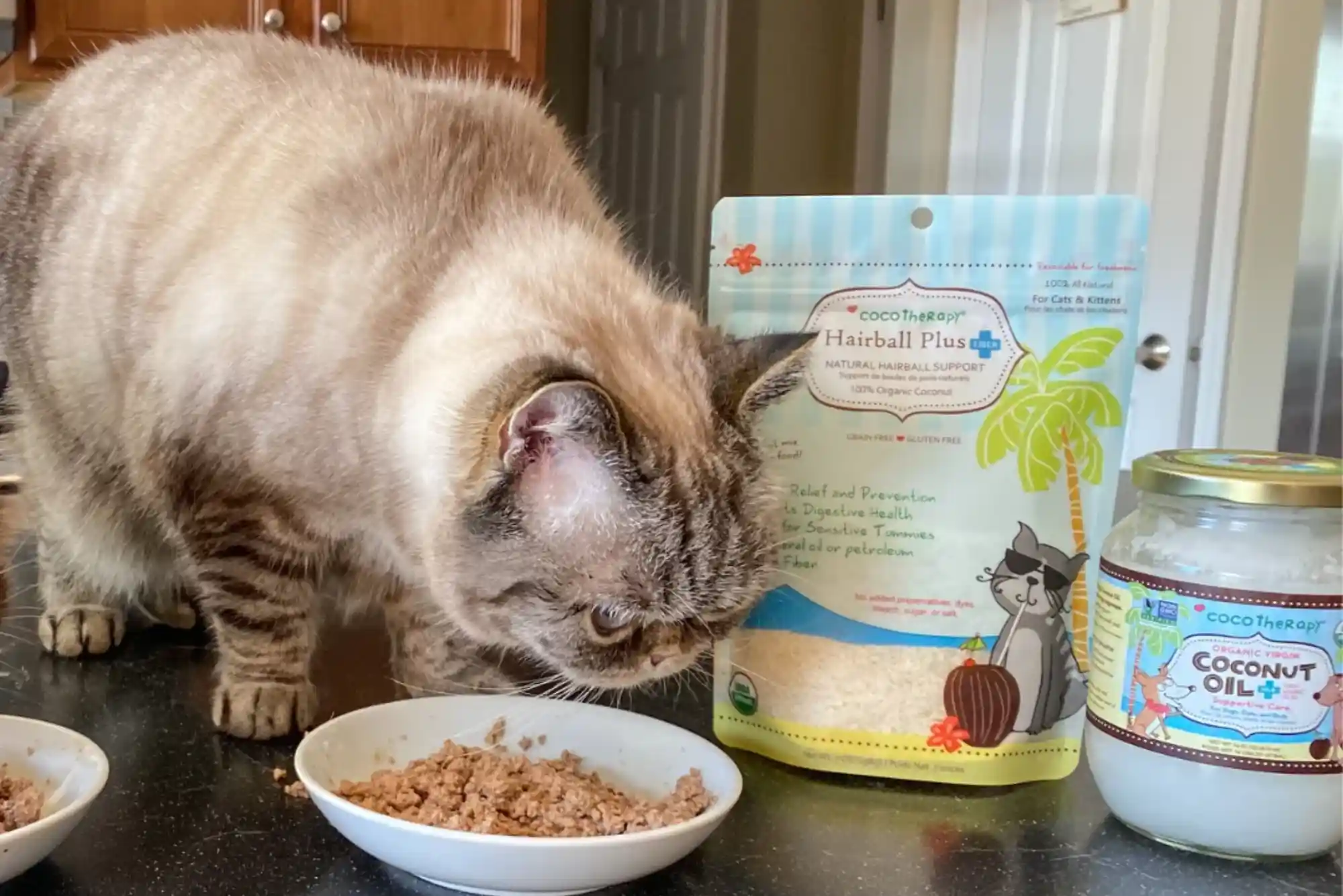
If your veterinarian recommends a commercial hairball gel or digestive lubricant, follow the product directions and veterinary advice carefully. These products are designed to help lubricate the digestive tract and assist with the passage of hair, but they should not be given casually or used to delay veterinary treatment when warning signs are present.
Never Give Human Laxatives Without Veterinary Advice
A common mistake is assuming that a human constipation remedy or laxative will safely help a cat pass a hairball. This can be dangerous.
Cornell advises owners not to give cats laxatives for suspected hairball problems without veterinary approval and supervision.
If a hairball has caused an obstruction, home remedies are not an appropriate substitute for veterinary care. Depending on the location and severity of the obstruction, treatment may require fluids, medication, imaging, hospitalization, or surgery.
When Are Hairballs a Veterinary Emergency?
An occasional hairball is generally less concerning than frequent or unproductive vomiting. The important thing is to pay attention to changes in your cat’s normal behavior.
Repeated retching without producing a hairball can be a warning sign. So can vomiting, abdominal discomfort, lack of appetite, lethargy, constipation, or an inability to keep food or water down.
A gastrointestinal blockage caused by a hairball is uncommon, but it can be life-threatening.
Watch for Persistent Vomiting
If your cat continues vomiting, particularly if there is blood, diarrhea, weakness, abdominal pain, dehydration, or loss of appetite, contact your veterinarian promptly. Vomiting is a symptom rather than a diagnosis and can have many causes besides hairballs.
Pay Attention to Unproductive Retching
A cat that repeatedly crouches, gags, and retches without producing a hairball deserves attention. Owners sometimes assume these episodes are simply unsuccessful attempts to cough up a hairball, but respiratory disease and gastrointestinal obstruction can produce similar signs.
If your cat appears distressed or repeatedly tries to vomit without bringing anything up, veterinary assessment is the safer choice.
How Often Should Cats Have Hairballs?
There is no single number that applies perfectly to every cat. Some healthy cats may occasionally vomit a hairball without developing complications. Cornell notes that hairball regurgitation every week or two can occur in otherwise healthy cats, while VCA advises contacting a veterinarian when hairball vomiting occurs more frequently than about once a month.
Because veterinary sources use somewhat different thresholds, frequency should be considered alongside your cat’s overall health.
A cat that produces an occasional hairball, eats normally, maintains its weight, uses the litter box normally, and behaves as usual may simply need better grooming and monitoring. A cat whose hairballs are becoming more frequent should be evaluated to determine why.
Hairballs May Signal Another Problem
Hairballs are not always the root cause. Sometimes they are the consequence of another issue.
A cat that develops itchy skin may groom excessively and swallow more hair. A cat with gastrointestinal disease may have difficulty moving swallowed hair through the digestive system. Stress or pain can also contribute to excessive grooming.
This is why treating the hairball alone may not solve the problem. Your veterinarian may examine your cat’s skin, digestive health, diet, weight, and behavior to determine what is driving the increased hair ingestion.
Creating a Hairball Prevention Routine
A practical routine can make hairball prevention much easier. Brush your cat consistently, monitor shedding, keep water fresh, provide an appropriate diet, and maintain regular veterinary checkups.
During shedding periods, increase grooming rather than waiting until you find hairballs around the house. Keep grooming sessions calm and predictable so your cat learns to tolerate them.
It is also worth keeping string, thread, rubber bands, plastic pieces, and similar objects away from curious cats. These materials can be swallowed and may create a much more dangerous gastrointestinal obstruction than ordinary hair.
Most importantly, learn your cat’s normal habits. Knowing how often your cat grooms, eats, drinks, vomits, and uses the litter box makes it much easier to recognize meaningful changes.
Keep Hairballs Under Control
Learning how to prevent and treat hairballs in indoor cats is largely about reducing swallowed hair and recognizing when something is no longer normal. Regular brushing, proper nutrition, good hydration, enrichment, and veterinary guidance can all contribute to better hairball management.
Occasional hairballs may be part of normal feline grooming, but repeated vomiting, unproductive retching, appetite changes, lethargy, abdominal pain, or difficulty passing stool should never be dismissed as “just a hairball.”
Start with a consistent grooming routine today and monitor your cat’s behavior closely. If hairballs are frequent or your cat shows any concerning symptoms, contact a veterinarian rather than relying on home remedies. A little preventive care can go a long way toward keeping your indoor cat comfortable and healthy.
FAQs
How can I stop my indoor cat from getting hairballs?
Regular brushing is one of the best ways to reduce hairballs because it removes loose fur before your cat can swallow it. Maintaining a healthy coat, providing appropriate nutrition and hydration, and addressing excessive grooming can also help.
What is the fastest way to get rid of a cat hairball?
If your cat is otherwise healthy and has an uncomplicated hairball, it may pass naturally or be vomited up. Veterinarians may recommend an appropriate hairball product in certain cases. Do not give human laxatives or other remedies without veterinary advice.
How often is it normal for a cat to cough up a hairball?
Occasional hairballs can occur in healthy cats, but there is no universal frequency that applies to every cat. Increasing frequency, repeated vomiting, or other symptoms should prompt a conversation with your veterinarian.
Should I be worried if my cat keeps trying to cough up a hairball?
Yes. Repeated unproductive retching can indicate an obstruction or another medical problem, including respiratory disease. If your cat repeatedly retches without producing a hairball, seek veterinary advice promptly.
Does wet food help with hairballs?
Wet food can increase water intake, which supports overall digestive health, but it is not a guaranteed hairball treatment. Your cat’s complete nutritional needs and any underlying medical problems should be considered before changing its diet.
Do hairballs cause intestinal blockages in cats?
They can, although serious hairball-related obstruction is uncommon. When a large mass of hair becomes lodged in the gastrointestinal tract, it can become life-threatening and may require veterinary treatment or surgery.