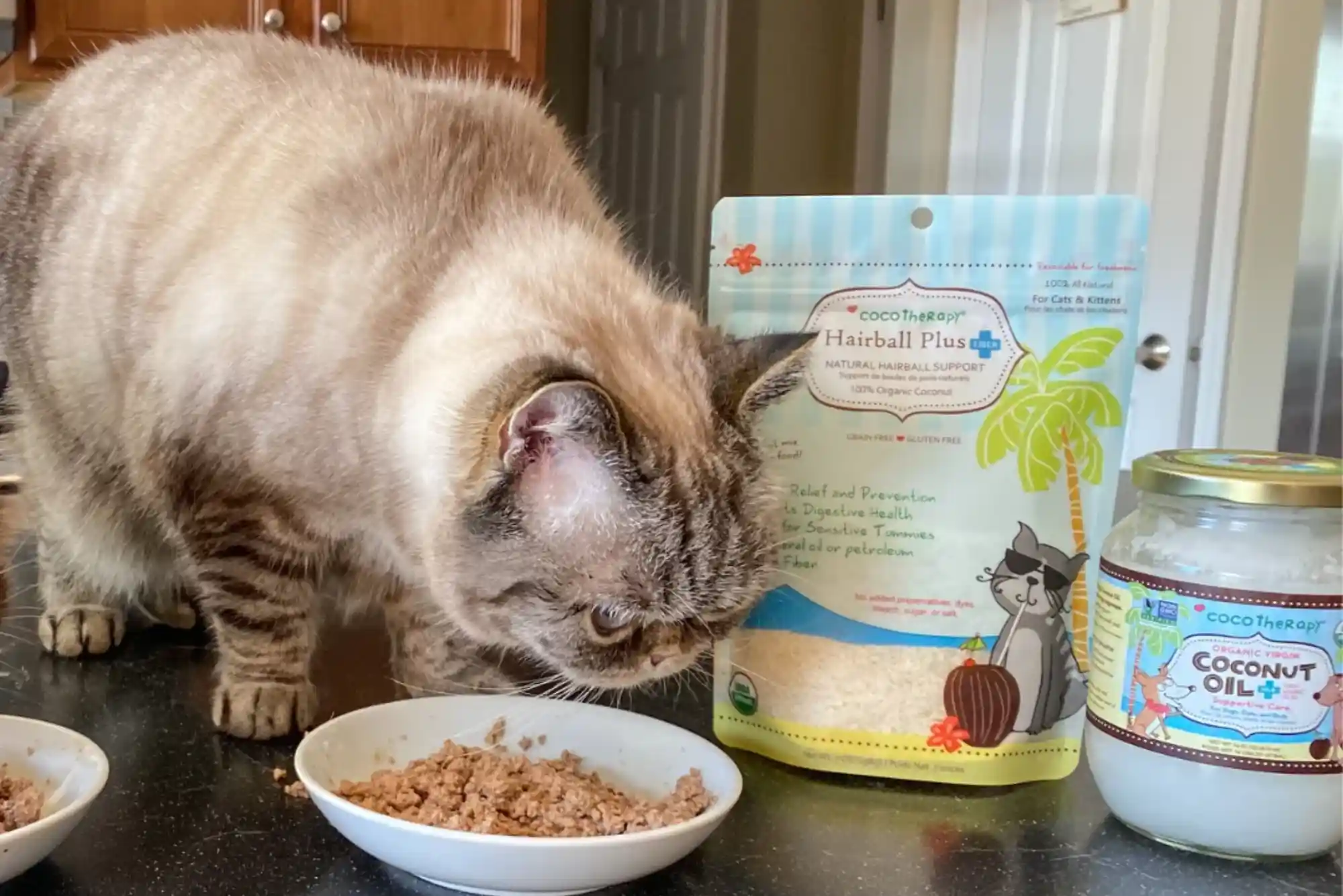

As a cat parent, standing in the pet food aisle can feel overwhelming. You want your furry friend to live a long, vibrant life, and nutrition plays the biggest role in that. The debate between wet and dry food has raged for decades. Every brand claims to hold the secret to your cat’s health. But which option truly wins when it comes to long-term wellness? The answer is not as simple as picking one package over the other. Both options have distinct advantages and potential drawbacks for your cat’s daily diet. Understanding the science behind feline nutrition helps you make the best choice. Feline biology differs vastly from dogs or humans. Cats are obligate carnivores with unique dietary needs that must be met. They have a low thirst drive and rely heavily on their food for moisture. Choosing the right diet impacts everything from kidney health to dental hygiene. Let us dive deep into the wet versus dry food debate to see what truly supports a long life.
Understanding Feline Nutritional Needs
Cats require specific nutrients to thrive. Their bodies need high amounts of animal protein, moderate fats, and very few carbohydrates. In the wild, a cat’s natural diet consists of small prey containing about 70 percent moisture. Domestic cats still possess this exact same biological blueprint. When looking at Cat Nutrition 101, moisture and protein always take center stage. Feeding a diet that mimics their natural prey keeps their internal organs functioning smoothly. Dry kibble often contains high levels of plant-based starches to hold its shape. These starches can be difficult for some cats to digest efficiently. Wet food naturally aligns better with a carnivorous diet due to its high meat content. Protein quality also matters immensely for muscle maintenance and immune support. Always check the ingredient list to ensure meat is the primary component. High-quality animal protein supports muscle mass as your cat ages gracefully. Balancing these nutrients prevents obesity and metabolic disorders down the line.
The Case for Wet Cat Food
Wet food offers incredible benefits, particularly regarding hydration. Because cats rarely drink enough water on their own, wet food bridges the gap. This extra moisture protects the kidneys and urinary tract from common ailments. Chronic dehydration often leads to painful bladder stones and severe kidney disease. Feeding canned food significantly reduces these risks by keeping the urinary system flushed. Furthermore, wet food usually contains fewer carbohydrates than dry kibble. Lower carb intake helps prevent feline diabetes and unwanted weight gain. Picky eaters also tend to prefer the strong aroma and texture of wet food. Senior cats with missing teeth or gum disease find wet food much easier to eat. The soft texture requires minimal chewing, making mealtime enjoyable again for older pets. Many veterinarians recommend wet food as a primary diet for these exact reasons. Shopping on platforms like Lookme makes it easy to find premium canned options. Investing in quality wet food today can prevent expensive veterinary bills tomorrow.
The Case for Dry Cat Food
Dry kibble brings undeniable convenience to the table. It is budget-friendly, easy to store, and does not spoil quickly. You can leave dry food out for free-feeding without worrying about bacterial growth. This makes kibble a popular choice for busy pet owners with hectic schedules. Some people believe dry food scrapes plaque off teeth during chewing. However, studies show that most kibble shatters instantly upon contact with teeth. It does not provide the deep mechanical cleaning many people assume it does. Still, high-density dry formulas pack a lot of calories into a small serving. This benefits highly active cats that burn through energy quickly. Choosing a grain-free, high-protein kibble mitigates some of the carbohydrate concerns. Owners must monitor portion sizes carefully to prevent overeating and feline obesity. Combining dry food with interactive puzzle toys also provides great mental stimulation. Balancing convenience with nutritional quality is the key to success here.
Impact on Longevity and Common Health Issues
Longevity depends heavily on preventing chronic lifestyle diseases. Obesity remains one of the greatest threats to a cat’s lifespan. Overweight cats face higher risks of diabetes, arthritis, and hepatic lipidosis. Wet food often aids weight management because its high water content adds volume. This helps cats feel full without consuming excessive calories. Kidney disease is another leading cause of mortality in older felines. Proper hydration, often supported by Hydration in Felines, preserves renal function over time. Urinary tract blockages also occur less frequently in cats eating moisture-rich diets. Dental health requires separate attention regardless of whether you choose wet or dry. Regular teeth brushing and veterinary dental cleanings protect against periodontal disease. Poor oral health allows bacteria to enter the bloodstream and damage vital organs. A holistic approach to health yields the best results for longevity.
Combining Wet and Dry Food
You do not necessarily have to choose just one food type. Many veterinarians recommend a mixed feeding strategy to get the best of both worlds. This approach combines the hydration benefits of wet food with the convenience of dry kibble. For example, you can serve wet food for breakfast and dinner. Leave a small measured portion of dry kibble out for daytime grazing. Mixed feeding also saves money compared to an exclusively canned food diet. Cats raised on a combination diet also tend to be less finicky eaters. They accept different textures easily, which helps if a medical condition later requires a prescription diet. Transitioning between foods should always happen gradually over several days. Sudden diet changes often cause vomiting, diarrhea, and unnecessary tummy trouble. Introduce new foods slowly by mixing small amounts into their current meals. Monitor your cat’s digestion and energy levels throughout the transition process.
Conclusion
Deciding between wet and dry cat food comes down to your cat’s specific needs. Wet food wins for hydration, urinary health, and natural macronutrient profiles. Dry food wins for convenience, cost-effectiveness, and ease of storage. Many cats thrive best on a combination of both high-quality options. Focus on ingredient transparency, protein quality, and regular veterinary checkups. Every small nutritional choice you make today adds up over the years. Take action today by evaluating your current cat food label. Consult your veterinarian to create a personalized feeding plan for your beloved pet. Give your feline companion the gift of long-term health and vitality.
Frequently Asked Questions
Is wet food always better than dry food for cats?
Not necessarily. While wet food provides superior hydration, many cats live long lives on high-quality dry food. The best food depends on your cat’s health, age, and lifestyle.
Can dry food clean a cat’s teeth?
Most standard dry kibble shatters instantly upon chewing and offers minimal dental cleaning benefits. Regular tooth brushing remains the gold standard for feline dental hygiene.
How much water should a cat drink daily?
Cats need about four ounces of water per five pounds of body weight daily. Much of this moisture should ideally come from their daily food intake.
Is it okay to mix wet and dry cat food in the same bowl?
Yes, mixing them is completely fine. However, leftover wet food should not sit out for more than an hour to prevent bacterial contamination.
What is the best way to switch my cat to a new food?
Transition slowly over seven to ten days. Mix increasing amounts of the new food with decreasing amounts of the old food to prevent stomach upset.