Maine Coon Size, Diet, and Care: The Gentle Giant Breakdown
The Maine Coon Size, Diet, and Care: The Gentle Giant Breakdown explores everything owners need to know about this remarkable feline. Known for their impressive size, luxurious coats, and affectionate personalities, Maine Coons are among the most recognizable domestic cat breeds. Despite their enormous appearance, these gentle giants are friendly, intelligent, and often playful throughout adulthood.
However, their large bodies and thick coats require thoughtful nutrition, regular grooming, and preventive veterinary care. Understanding their specific needs helps owners support healthy growth and long-term well-being. Whether you are considering adopting a kitten or already share your home with an adult cat, this guide explains how to provide the best possible care.
Understanding Maine Coon Size, Diet, and Care Requirements
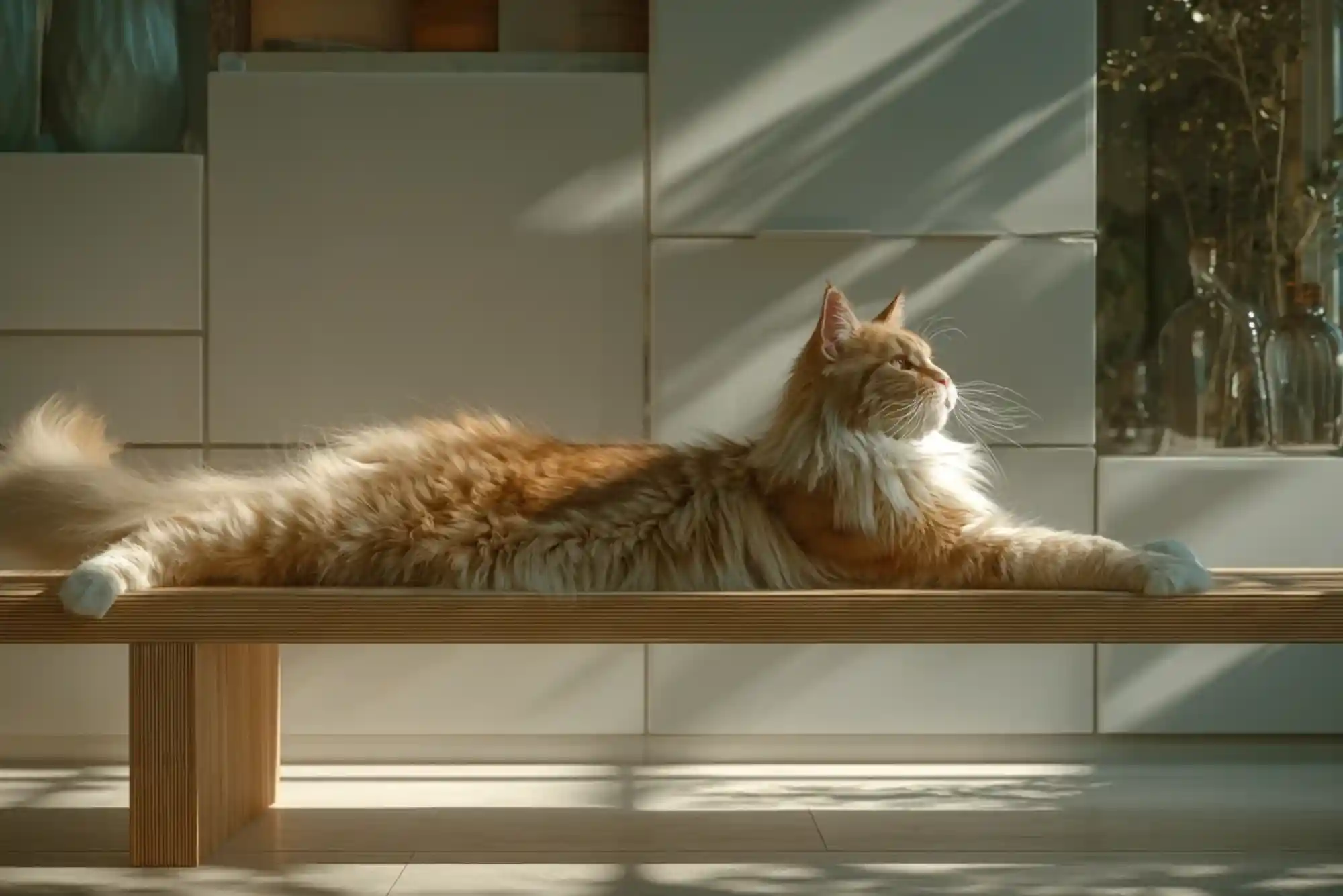
Maine Coons are naturally larger than most domestic cats. Males typically weigh 13–18 pounds, while females commonly weigh 8–12 pounds. Some individuals grow heavier, although body condition matters more than the number on the scale.
Their long bodies, broad chests, muscular legs, and bushy tails contribute to their impressive appearance. Unlike many other breeds, Maine Coons mature slowly and may take three to five years to reach their full physical development.
Responsible owners should monitor growth without encouraging excessive weight gain. Obesity can increase pressure on the joints and contribute to diabetes and other health problems. Regular veterinary assessments help determine whether a cat’s weight is appropriate for its frame.
What Makes Maine Coons Different?
Maine Coons have thick, water-resistant coats, tufted ears, large paws, and long whiskers. Their coats help protect them in cold weather, reflecting the breed’s origins in northeastern North America.


Their personalities are equally distinctive. Many enjoy following family members, exploring their surroundings, and communicating through chirps and trills. Although affectionate, they often appreciate companionship without constant physical attention.
Maine Coon Diet: Feeding a Large and Active Cat
Nutrition plays an essential role in maintaining healthy muscles, supporting bones, and preserving a glossy coat. Because Maine Coons grow slowly, their nutritional requirements change throughout their lives.
A complete and balanced commercial cat food appropriate for the cat’s life stage is a practical starting point. Look for products that meet recognized nutritional standards, such as AAFCO requirements in the United States.
Choosing the Right Food
Protein is particularly important because cats are obligate carnivores. Choose food containing high-quality animal protein and the essential nutrients cats require, including taurine.
Wet food can help increase water intake, while dry food offers convenience and may suit some feeding routines. Both can support good nutrition when appropriately formulated. Combining them is also reasonable when total calorie intake remains controlled.
Fresh, clean drinking water should always be available. Some cats prefer wide bowls or circulating water fountains.
How Much Should a Maine Coon Eat?
Daily food requirements depend on age, weight, activity, reproductive status, and individual metabolism. Therefore, feeding portions should follow the product’s guidance and your veterinarian’s recommendations.
| Life stage | Nutritional priorities | Feeding approach |
|---|---|---|
| Kitten | Growth, protein, essential nutrients | Complete kitten food in several meals |
| Adult | Muscle maintenance and energy balance | Measured portions suited to activity |
| Senior | Muscle preservation and changing health needs | Adjusted nutrition based on veterinary advice |
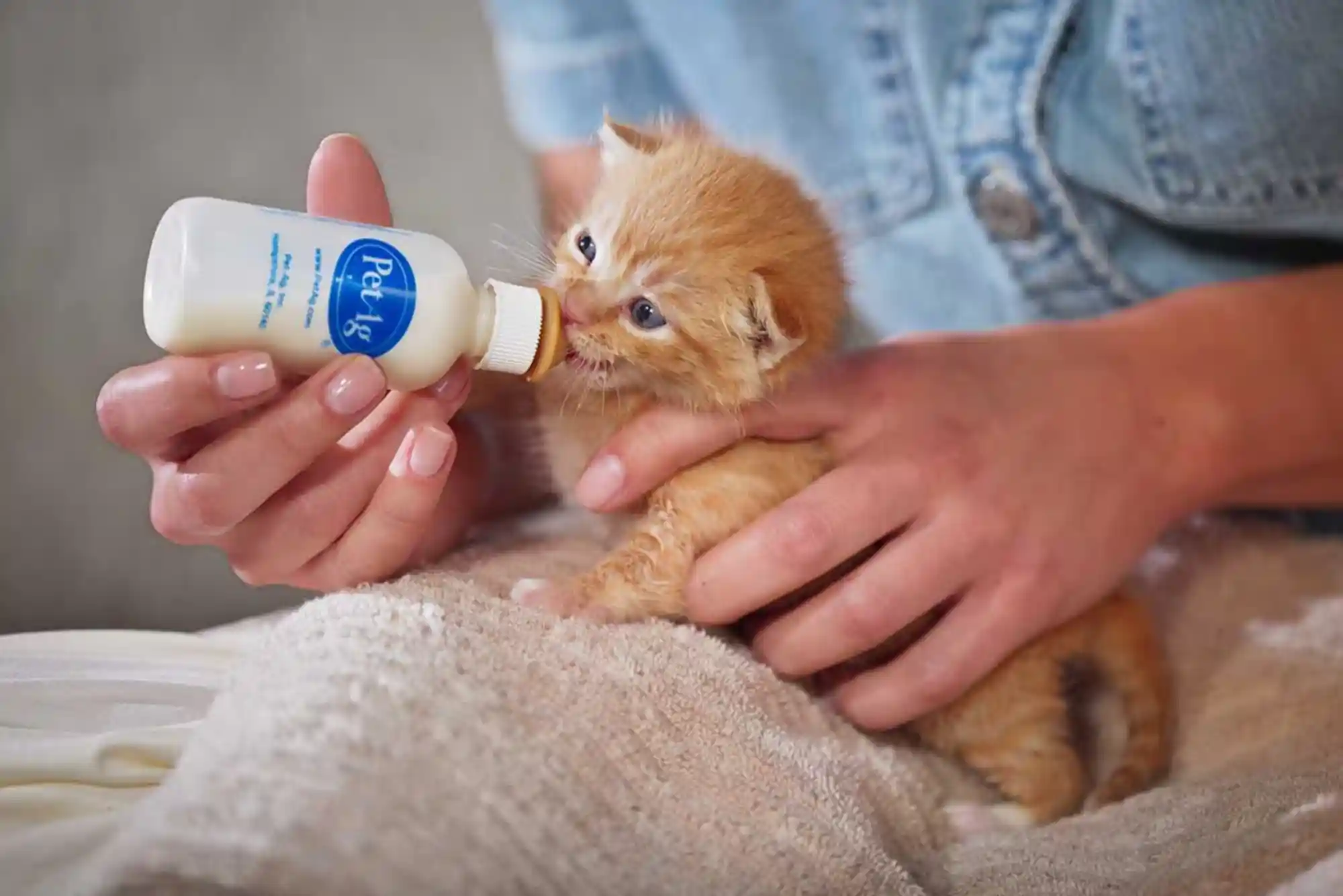
Kittens generally benefit from several small meals throughout the day. Adults often do well with two or more measured meals, depending on their routine.
Avoid unrestricted feeding if your cat tends to overeat. Instead, monitor body condition and adjust portions gradually. Treats should remain a small part of daily calorie intake.
Grooming and Daily Maine Coon Care
A Maine Coon’s long coat requires consistent maintenance. Although its texture can resist some matting, loose fur can collect beneath the legs, around the neck, and along the belly.
Brush your cat several times weekly, increasing frequency during seasonal shedding. A suitable comb can help identify tangles before they become painful mats.
Bathing, Nail Trimming, and Dental Hygiene
Most Maine Coons do not need frequent baths unless their coats become unusually dirty. When bathing is necessary, use a cat-safe shampoo and dry the coat thoroughly.
Trim the nails regularly to prevent overgrowth and snagging. Introduce nail care gradually, rewarding calm behavior with treats.
Dental hygiene is equally important. Brushing with cat-safe toothpaste helps reduce plaque buildup. Maine Coon HubVeterinary dental examinations can identify problems that home care may not prevent.
Exercise and Environmental Enrichment
Their size makes suitable furniture and climbing equipment especially important. Choose sturdy cat trees, broad platforms, and secure scratching posts that can support their weight.
Interactive toys encourage movement and mental stimulation. Short daily play sessions using wand toys, puzzle feeders, or supervised fetch can help maintain fitness.
Maine Coons often enjoy observing the outdoors. Secure window perches and enclosed outdoor spaces provide stimulation without exposing them to traffic or other hazards.
Maine Coon Health: Important Conditions to Understand
Good nutrition and grooming are essential, but preventive healthcare is equally valuable. Routine examinations help detect potential problems before they become advanced.
Hypertrophic Cardiomyopathy
Hypertrophic Cardiomyopathy is a heart condition involving thickening of the heart muscle. It can affect Maine Coons and may develop without obvious early symptoms.
Veterinarians may recommend heart examinations and echocardiography when appropriate. Responsible breeders may also use genetic testing and cardiac screening to reduce risks, although these measures cannot eliminate every case.
Hip Dysplasia and Joint Health
Hip dysplasia occurs when the hip joint develops abnormally. In larger cats, this condition can contribute to discomfort, reduced mobility, or arthritis.
Maintaining a healthy weight helps reduce unnecessary joint stress. Contact your veterinarian if your cat develops stiffness, reluctance to jump, or changes in walking.
Regular Veterinary Visits
Vaccinations, parasite prevention, dental assessments, and routine examinations support lifelong health. Your veterinarian can recommend screening based on age, family history, and individual risk.
Before adopting a kitten, ask the breeder about inherited conditions and available health records. Genetic testing can provide useful information, but it does not replace comprehensive veterinary care.
Creating the Ideal Home for a Maine Coon
Maine Coons usually adapt well to households that provide companionship, stimulation, and comfortable resting places. Their social nature means many appreciate regular interaction with family members.
Provide a litter box large enough for comfortable turning and digging. In multi-cat households, offer multiple litter boxes in separate, accessible locations.
Because these cats are large, beds, carriers, and scratching equipment should provide sufficient space. Choose a carrier that allows your cat to stand, turn around, and lie down comfortably.
Introduce new pets gradually and supervise early interactions. Children should learn to handle cats gently and respect their need for rest.
Frequently Asked Questions
How big do Maine Coon cats get?
What is the average weight of a Maine Coon?
Adult males commonly weigh 13–18 pounds, while females often weigh 8–12 pounds. Individual sizes vary, and healthy body condition is more important than achieving a particular weight.
At what age do Maine Coons stop growing?
Maine Coons typically mature over three to five years. Their growth is gradual, so owners should monitor body condition throughout development rather than encouraging rapid weight gain.
What is the best diet for a Maine Coon cat?
Should Maine Coons eat wet or dry food?
Both can be suitable when nutritionally complete and balanced. Wet food provides additional moisture, while dry food is convenient. Your cat’s health, preferences, and calorie requirements should guide the decision.
Do Maine Coons need special food?
They do not automatically require breed-specific food. However, their growth, body size, activity, and health conditions may influence their nutritional needs. A veterinarian can recommend an appropriate diet.
Do Maine Coon cats require a lot of grooming?
How often should you brush a Maine Coon?
Brush your Maine Coon several times weekly to control shedding and prevent tangles. Long-haired cats prone to matting may need daily attention, particularly around the belly and hindquarters.
Are Maine Coon cats healthy?
What health problems are common in Maine Coons?
Potential concerns include hypertrophic cardiomyopathy, hip dysplasia, and certain inherited conditions. Responsible breeding, appropriate screening, healthy nutrition, and routine veterinary care can help manage health risks.
lookme.ae is an online platform designed to help users discover services, businesses, and useful resources in the UAE. Whether you are searching for local businesses, exploring available services, or looking for convenient solutions, lookme.ae can help simplify your search. Explore the platform to find relevant information, connect with service providers, and discover opportunities that meet your personal or business needs.
Conclusion
Maine Coon Size, Diet, and Care: The Gentle Giant Breakdown shows why these remarkable cats need thoughtful, consistent attention. Their impressive size comes with specific nutritional, grooming, exercise, and healthcare considerations.
Fortunately, meeting these needs does not have to be complicated. Choose balanced food, maintain a regular grooming routine, provide suitable enrichment, and schedule preventive veterinary visits.
Most importantly, learn your cat’s individual habits and monitor changes in appetite, weight, movement, or behavior. Early attention can make a meaningful difference to long-term health.
Ready to welcome a Maine Coon into your family or improve your current cat’s routine? Start by reviewing your feeding plan, grooming schedule, and veterinary care today. Small, consistent steps can help your gentle giant enjoy a healthier, happier life.