Introduction
Few feline companions capture the heart quite like the stunning Ragdoll. Known for their striking blue eyes and silky coats, these gentle giants have earned a massive following worldwide. If you are considering adding one of these magnificent cats to your home, understanding their unique traits is essential. This comprehensive guide explores the complete Ragdoll Cat Personality, Grooming Needs, and Lifespan Profile, giving you an inside look at what it takes to care for them properly. Whether you are a first-time owner or a seasoned cat enthusiast, knowing what to expect ensures a happy life for your furry friend. Let us dive into everything you need to know about this beloved breed.
The Origins and Physical Characteristics of Ragdolls
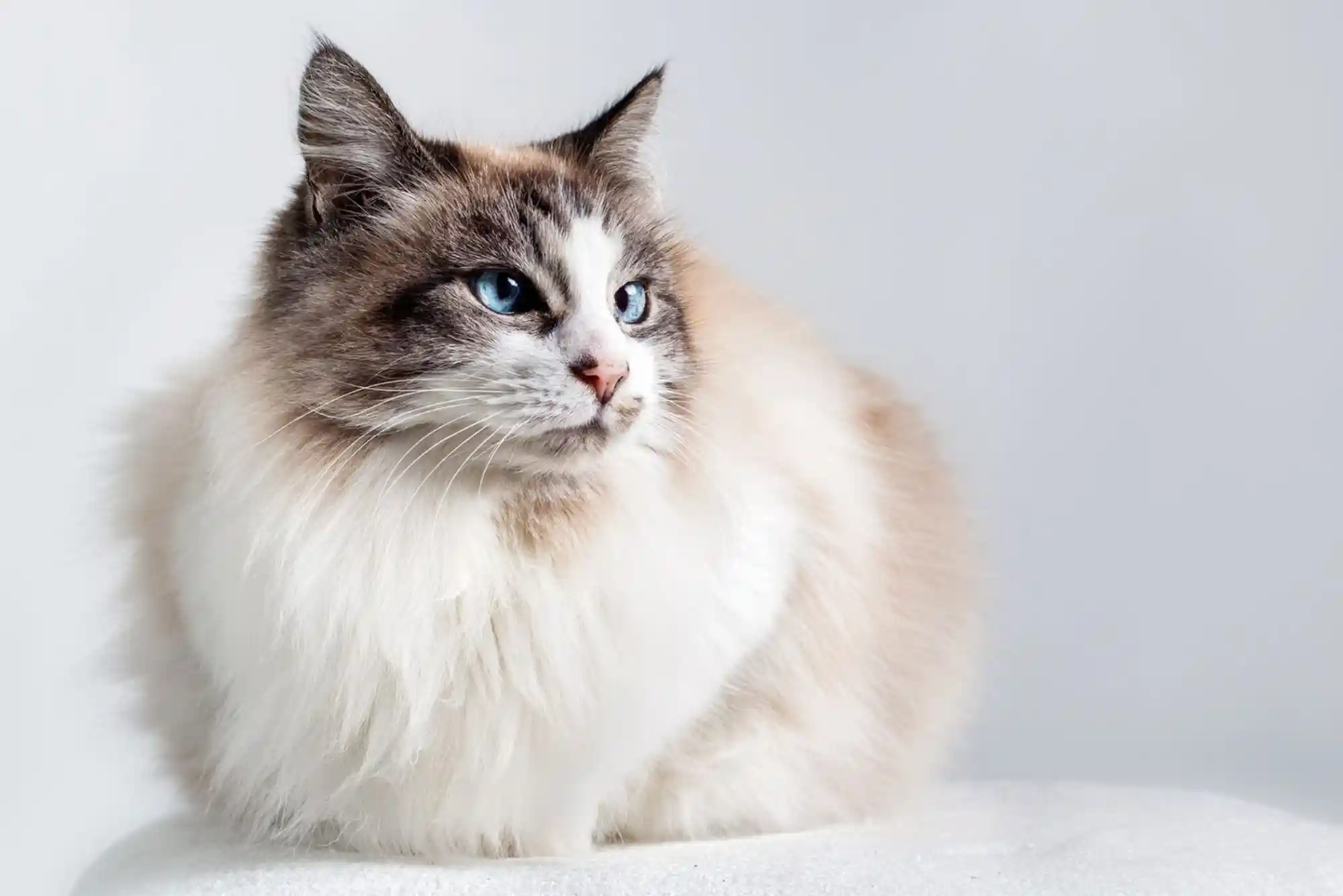
Developed in the 1960s by Baker in California, this breed is famous for a very specific physical trait. When picked up, they tend to go completely limp, much like a child’s rag doll. This unique physical response comes from a very relaxed muscle tone. They are among the largest domesticated cat breeds in the world. Males typically weigh between fifteen and twenty pounds, while females range from ten to fifteen pounds. Their luxurious coats come in several recognized patterns, including bicolour, mitted, and colourpoint. Every kitten is born completely white, developing their rich points and patterns as they mature over their first few years of life.
Understanding the Ragdoll Cat Personality
Owners often describe their pets as dog-like due to their affectionate and social nature. Unlike independent breeds, these cats love to follow you from room to room. They eagerly greet you at the door when you return home from a long day. Their calm and placid temperament makes them exceptionally well-suited for families with children. Furthermore, they tend to get along wonderfully with other household pets, including dogs and friendly cats. They rarely use their claws when playing and prefer a gentle lap cuddle over frantic running. If you want a companion that loves to snuggle on the couch, this breed fits the description perfectly.
Comprehensive Grooming Needs for Your Ragdoll
Maintaining that signature silky coat requires a dedicated routine from their human caretakers. Despite having long fur, they lack a dense undercoat, which means they tangle less than breeds like Persians. However, regular brushing remains vital to prevent mats and reduce loose hair. Aim to brush your cat at least two to three times a week using a stainless-steel comb. During seasonal shedding periods in spring and autumn, daily brushing becomes necessary to manage loose fur. Bathing is rarely required unless they get into something messy, but occasional grooming keeps their skin healthy. Do not forget to check their ears weekly and trim their claws regularly to maintain optimal hygiene.
Lifespan Profile and Health Considerations
Providing proper care helps these cats live long, healthy lives. The typical lifespan for this breed ranges from twelve to fifteen years, though many live even longer with exceptional care. Like all purebred cats, they are predisposed to certain genetic health conditions. Hypertrophic cardiomyopathy, a common heart disease, is something reputable breeders screen for routinely. Polycystic kidney disease is another condition that responsible breeders test for before allowing kittens to go to new homes. Regular veterinary checkups, a balanced diet, and indoor living significantly increase their longevity. Keeping your cat at a healthy weight prevents joint issues and diabetes as they age.
Nutritional Requirements and Feeding Guidelines
Feeding your cat a high-quality diet supports their large frame and luxurious coat. Protein should always be the first ingredient listed on their cat food label. Look for premium commercial diets that cater to large indoor breeds or consult your veterinarian. Kittens require nutrient-dense food to fuel their rapid growth during their first four years. Adult cats benefit from portion-controlled meals to prevent unwanted weight gain and obesity. Always provide fresh, clean water in a wide bowl or a cat water fountain. Proper hydration supports kidney health and keeps their digestive system functioning smoothly.


Creating an Enriching Indoor Environment
Keeping your indoor cat mentally stimulated prevents boredom and destructive behaviours. Provide sturdy scratching posts to help them maintain their claws and stretch their muscles. Interactive toys, feather wands, and puzzle feeders engage their natural hunting instincts. Many owners find that these intelligent cats can easily learn to walk on a leash. Setting up window perches lets them watch birds and enjoy the safe outdoors from inside. Social interaction is equally important because these affectionate cats thrive on human companionship. Never leave them alone for extended periods, as they can suffer from separation anxiety.
Conclusion
Caring for this remarkable breed brings immense joy and boundless affection to any household. Understanding their unique temperament, grooming requirements, and health needs ensures a long and fulfilling life together. Whether you are learning from resources at the Ragdoll Cat Hub or exploring expert care tips through platforms like Lookme, preparation is key. If you are ready to welcome a loving, floppy companion into your family, start connecting with reputable breeders who adhere to strict CFA Breed Standards today. Share your experiences in the comments below or reach out to find your dream kitten now.
Frequently Asked Questions
Are Ragdoll cats hypoallergenic?
No cat breed is completely hypoallergenic, including this one. While they lack a dense undercoat, they still produce dander and proteins in their saliva that trigger allergies. Regular grooming can help reduce the amount of loose fur floating around your home.
Do Ragdoll cats get along with dogs?
Yes, their easygoing and relaxed personality allows them to coexist peacefully with friendly dogs. Proper, gradual introductions ensure a harmonious relationship between your new cat and existing pets.
How big do Ragdoll cats get?
They are a large, slow-maturing breed. Males usually weigh fifteen to twenty pounds, while females weigh ten to fifteen pounds. They do not reach their full size and coat color until they are about four years old.
Related Reading: Wet vs Dry Cat Food: Which Is Better for Feline Longevity?