Introduction
Cat dental health is an important part of your pet’s overall wellbeing. Yet, dental problems can remain hidden for months. Cats often continue eating despite significant mouth pain. Therefore, subtle changes can be easy to miss.
Cat Dental Health: Signs of Gingivitis and Tooth Resorptiona is especially important for owners of adult and senior cats. Gingivitis and tooth resorption are two common dental problems. Both can cause discomfort and affect your cat’s quality of life.
Understanding early warning signs helps you seek veterinary care sooner. Regular dental examinations can also prevent minor problems from becoming serious. With proper care, many cats can maintain healthier mouths throughout their lives.
Why Cat Dental Health Matters
Good cat dental health supports comfortable eating, grooming, and normal daily behavior. A healthy mouth also helps prevent painful inflammation around the teeth and gums.
Plaque naturally develops when bacteria mix with food particles. If plaque remains on the teeth, it can harden into tartar. Over time, this buildup can irritate the gums.
Gum inflammation is known as gingivitis. Without appropriate treatment, inflammation can become more severe. Dental disease may eventually affect the structures supporting the teeth.


Cats are particularly good at hiding discomfort. As a result, owners may not notice a problem until it becomes advanced. Regular dental checks are therefore essential.
What Is Gingivitis in Cats?
Gingivitis is inflammation of the gums surrounding the teeth. It commonly develops because plaque and bacteria accumulate along the gumline.
Healthy cat gums should generally appear pink and relatively smooth. Inflamed gums may look red, swollen, or irritated. Bleeding can also occur when the mouth is touched.
Mild gingivitis may cause few obvious symptoms. However, some cats develop noticeable changes in eating behavior. They may chew more slowly or prefer softer food.
If gingivitis continues untreated, inflammation can become painful. In more advanced cases, infection and damage to supporting tissues may develop.
Common Signs of Feline Gingivitis
One of the earliest signs is red tissue around the teeth. You may also notice swollen gums or a darker red gumline.
Bad breath is another common warning sign. Persistent unpleasant breath should not simply be considered normal for cats.
Some cats begin drooling more than usual. Others may paw at their mouths or rub their faces against objects.
Your cat might also drop food while eating. Chewing on one side of the mouth can indicate oral discomfort.
Reduced grooming is another possible clue. A cat with a painful mouth may avoid grooming because movement causes discomfort.
What Is Tooth Resorption in Cats?
Tooth resorption is a painful dental condition where the tooth structure gradually breaks down. The process can affect different parts of a tooth.
Unlike ordinary tooth decay, tooth resorption involves the body’s cells breaking down dental tissue. The exact cause is not completely understood.
Tooth resorption is relatively common in cats. It can affect both young adult and older cats, although risk increases with age.
The condition may begin below the gumline. Consequently, owners may not see anything unusual during a simple mouth inspection.
Veterinarians often need dental X-rays to identify affected teeth. These images can reveal changes hidden beneath the gums.
Signs of Tooth Resorption
Tooth resorption can cause significant oral pain. However, cats may hide that pain remarkably well.
A cat might suddenly stop eating dry food. It may also swallow food without chewing properly.
Some cats show a strong preference for wet food. Others hesitate before eating or walk away from their bowls.
Drooling, mouth bleeding, and bad breath may also occur. Your cat might become unusually irritable when its face is touched.
Another possible sign is a chattering or trembling jaw. Some cats display this behavior when they try to eat.
Because symptoms vary, professional dental examinations remain important.
Cat Dental Health: Signs of Gingivitis and Tooth Resorptiona
Understanding Cat Dental Health: Signs of Gingivitis and Tooth Resorptiona starts with recognizing behavioral changes.
Cats rarely announce that their mouths hurt. Instead, they often adapt their eating habits gradually. Therefore, small changes deserve attention.
A cat that suddenly prefers wet food may have oral discomfort. However, dietary preference alone does not confirm dental disease.
Similarly, bad breath can have several causes. Persistent odor should still prompt a veterinary examination.
Watch for changes in chewing, grooming, drooling, and appetite. These signs can provide useful clues about your cat’s dental health.
Regular veterinary examinations remain the safest way to identify hidden problems.
How Vets Diagnose Cat Dental Problems
A veterinarian begins with a physical examination of the mouth. They may look for inflammation, tartar, damaged teeth, and abnormal gum tissue.
However, a conscious examination cannot always reveal problems beneath the gums. Tooth resorption is a good example of a hidden condition.
Dental X-rays can provide a much clearer picture. They allow veterinarians to examine tooth roots and structures below the gumline.
If significant dental disease is suspected, your veterinarian may recommend a professional dental procedure. Anesthesia allows a thorough examination and cleaning.
It also allows dental X-rays to be performed safely. Your veterinarian can then determine which teeth require treatment.
Treatment for Feline Gingivitis
Treatment depends on the severity and underlying cause. Mild plaque-related gingivitis may improve after professional cleaning and better home care.
Professional dental cleaning removes plaque and tartar from tooth surfaces. It also allows the veterinarian to assess the gums closely.
More advanced disease may require additional dental treatment. In some cases, affected teeth may need extraction.
The goal is to remove sources of pain and inflammation. Your veterinarian can also recommend an appropriate long-term dental routine.
Never attempt to scrape tartar from your cat’s teeth yourself. Improper tools can damage enamel and injure the gums.
Treatment for Tooth Resorption
Treatment for tooth resorption depends on the tooth’s condition and the type of resorption present.
Affected teeth may require extraction when they cause pain. Removing the painful tooth can significantly improve comfort.
In selected cases, veterinary dental specialists may recommend advanced treatment. Dental X-rays are important for choosing the appropriate approach.
Because tooth resorption can affect multiple teeth, a complete dental assessment is valuable. Treating only visible problems may leave hidden disease untreated.
Your veterinarian can explain the findings after the dental examination. They can also discuss pain management and recovery.
How to Improve Your Cat’s Dental Health at Home
Home dental care can help reduce plaque accumulation. However, it does not replace professional veterinary examinations.
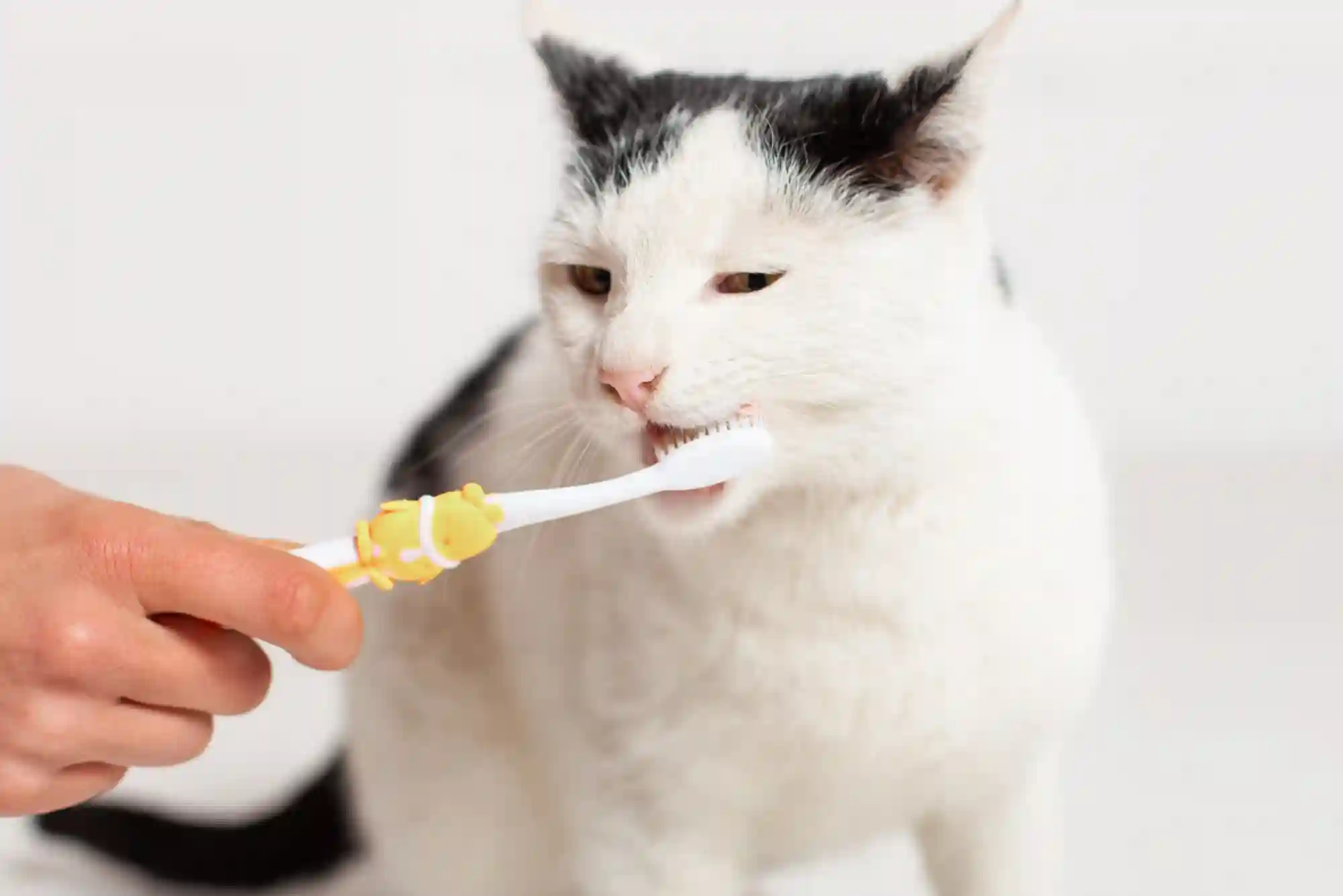
Brushing your cat’s teeth is one of the most useful preventive measures. Ideally, introduce brushing gradually while your cat is relaxed.
Use toothpaste specifically designed for cats. Human toothpaste can contain ingredients that are unsuitable for pets.
Start by allowing your cat to taste the veterinary toothpaste. Then gradually introduce gentle contact with the teeth.
A soft pet toothbrush or finger brush may be suitable. Your veterinarian can demonstrate the safest technique.
Dental diets and veterinary-approved dental treats may also support oral hygiene. Their usefulness depends on the individual cat.
Always choose products designed specifically for feline dental care. Your veterinarian can recommend suitable options for your pet.
How Often Should Cats Have Dental Checkups?
Cats should have their mouths examined regularly by a veterinarian. The appropriate frequency depends on age, health, and previous dental problems.
Young cats may require routine checks during annual wellness visits. Older cats or cats with dental disease may need more frequent monitoring.
Professional dental cleaning should be based on veterinary findings. There is no single schedule that suits every cat.
Regular examinations are particularly important because cats hide oral pain. A seemingly healthy cat may still have significant dental disease.
Can Dental Disease Affect a Cat’s Overall Health?
Dental disease can cause persistent inflammation and pain. It can also interfere with eating and normal grooming.
Severe oral disease may affect a cat’s general wellbeing. Cats experiencing chronic mouth pain can become less active or withdrawn.
However, dental problems should not automatically be blamed for every health change. Other medical conditions can cause similar symptoms.
That is why veterinary evaluation is important. A proper examination can identify the actual cause and guide treatment.
When Should You Contact a Veterinarian?
Contact your veterinarian if your cat develops persistent bad breath. You should also seek advice for bleeding gums, excessive drooling, or difficulty eating.
Sudden appetite changes deserve attention too. Cats should not be allowed to go without food for prolonged periods.
Seek prompt veterinary care if your cat appears severely painful. Facial swelling, significant bleeding, or inability to eat also require urgent assessment.
Remember that cats can hide pain effectively. A cat that still eats may nevertheless have serious dental disease.
Frequently Asked Questions
How can I tell if my cat has gingivitis?
Look for red or swollen gums around the teeth. Bad breath, drooling, bleeding, and changes in eating can also occur.
However, mild gingivitis may produce very few visible symptoms. A veterinarian can provide a more reliable diagnosis.
What does tooth resorption look like in cats?
Tooth resorption may appear as a damaged or irregular tooth. However, many affected areas are hidden beneath the gumline.
Dental X-rays are often needed to identify the full extent of the condition.
Is tooth resorption painful for cats?
Yes, tooth resorption can be painful. Some cats show obvious discomfort, while others continue eating normally.
Behavioral changes may be subtle. Therefore, regular dental examinations are particularly important.
Can cat gingivitis go away on its own?
Mild inflammation may improve when plaque is controlled. However, persistent gingivitis should be evaluated by a veterinarian.
Underlying dental disease may continue progressing without appropriate treatment.
How can I keep my cat’s teeth healthy?
Regular tooth brushing can help control plaque. Veterinary dental products and professional examinations can provide additional support.
Start dental care gradually and make the experience comfortable. Consistency is more useful than forcing a stressful routine.
Conclusion
Cat Dental Health: Signs of Gingivitis and Tooth Resorptiona deserves attention because dental disease can develop quietly. Gingivitis may begin with simple gum inflammation, while tooth resorption can cause hidden and significant pain.
Watch for bad breath, red gums, drooling, appetite changes, chewing difficulties, and unusual behavior. These signs do not always confirm dental disease, but they deserve attention.