Introduction
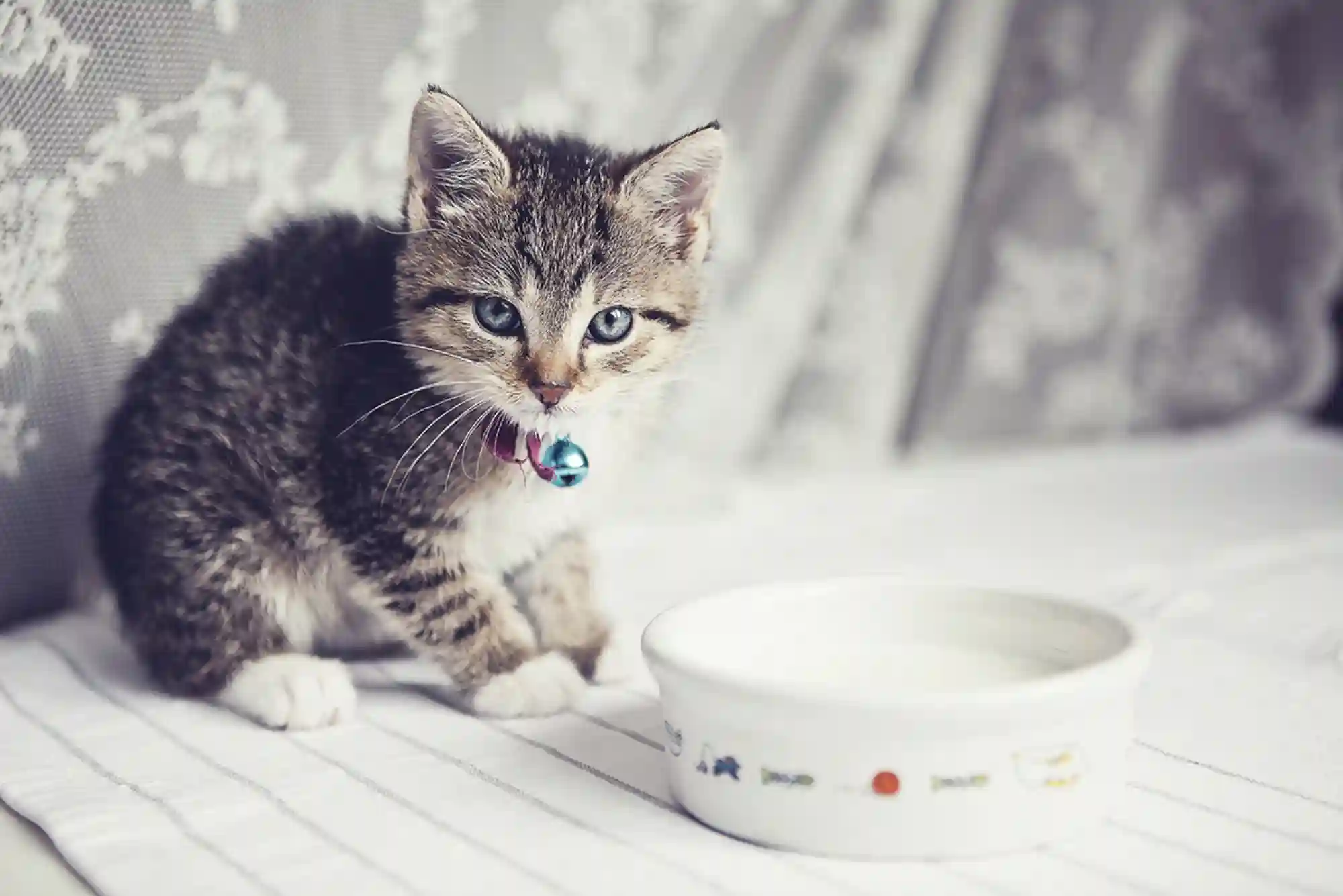
Can cats drink milk? Many people grew up seeing cats happily drinking a bowl of milk. However, this familiar image does not mean milk is healthy for adult cats. Most cats become less able to digest lactose after weaning. As a result, regular cow’s milk can cause digestive problems.
Understanding Can Cats Drink Milk? Lactose Intolerance and Safe Hydration helps cat owners make better choices. Milk is not necessary for hydration, and fresh water remains the best everyday drink for cats.
Some cats may tolerate tiny amounts of milk without obvious symptoms. Still, tolerance does not make milk nutritionally necessary. In addition, cats have different digestive sensitivities, so one cat may react differently from another.
If your cat enjoys milk, there are safer ways to offer an occasional treat. However, water should remain the foundation of your cat’s daily hydration routine.
Can Cats Drink Milk Safely?
Cats can drink milk, but most adult cats should not regularly consume ordinary cow’s milk. The main issue is lactose, a natural sugar found in dairy products.
Kittens produce an enzyme called lactase. This enzyme helps the body digest lactose in their mother’s milk. After weaning, lactase production usually decreases.


Consequently, many adult cats cannot digest large amounts of lactose efficiently. Undigested lactose moves into the intestine, where it can contribute to digestive discomfort.
Therefore, a cat drinking milk may develop diarrhea, gas, bloating, or stomach discomfort. The severity depends on the amount consumed and the individual cat.
This is why the answer to Can Cats Drink Milk? Lactose Intolerance and Safe Hydration is more complicated than simply saying yes or no.
A small taste may not cause a noticeable problem. A full bowl, however, can provide unnecessary calories and may trigger digestive upset.
Why Are Cats Often Lactose Intolerant?
Lactose intolerance occurs when the digestive system does not produce enough lactase to break down lactose properly.
This condition is common among adult cats because their nutritional needs change after weaning. Their digestive system is no longer designed to depend on milk as a primary food source.
When lactose remains undigested, bacteria in the intestine ferment it. This process can produce gas and draw additional water into the digestive tract.
As a result, some cats experience loose stools or diarrhea after drinking milk. Other cats may show abdominal discomfort or increased gas.
Not every cat reacts strongly. Some cats can consume small amounts without visible symptoms. However, that does not mean regular milk is a good dietary choice.
What Happens When a Cat Drinks Milk?
The effects of milk can vary from one cat to another. Some cats show no immediate reaction after drinking a small amount.
Others may develop digestive symptoms within several hours. Diarrhea is one of the most common signs associated with lactose intolerance.
Your cat might also experience gas, bloating, stomach noises, or temporary discomfort. Some cats may have softer stools rather than obvious diarrhea.
The amount consumed also matters. A few licks may be tolerated better than an entire saucer.
Fat content can create another concern. Whole milk contains calories and fat that cats do not need from a beverage.
Regular milk consumption can therefore contribute to excessive calorie intake. This becomes especially important for indoor cats or cats already prone to weight gain.
Is Milk Good for Cat Hydration?
Milk should not be used as a primary source of hydration. Although milk contains water, it also contains calories, fat, protein, and lactose.
Fresh drinking water provides hydration without adding unnecessary calories. It is also easier for most cats to digest.
Cats naturally have a relatively low thirst drive compared with some other animals. This means owners should actively encourage healthy water intake.
Wet cat food can also contribute significant moisture to a cat’s daily diet. This can be particularly helpful for cats that rarely drink from a water bowl.
Therefore, when considering Can Cats Drink Milk? Lactose Intolerance and Safe Hydration, hydration should focus on water and moisture-rich cat food.
Why Fresh Water Is the Best Choice
Fresh water is the safest everyday drink for healthy cats. Keep clean water available throughout the day.
Some cats dislike stale water or bowls that have accumulated food particles. Washing the bowl regularly can encourage better drinking habits.
Water placement also matters. Some cats prefer water away from their food bowls. Others may prefer multiple drinking stations around the home.
A cat fountain can also encourage drinking because many cats are attracted to moving water. However, individual preferences vary.
If your cat suddenly starts drinking much more or much less, pay attention. A noticeable change in thirst can sometimes indicate an underlying health problem.
Can Kittens Drink Milk?
Kittens have different nutritional requirements from adult cats. Very young kittens depend on their mother’s milk or an appropriate kitten milk replacer.
Cow’s milk is not an appropriate substitute for a mother’s milk. It does not provide the carefully balanced nutrition required for proper kitten development.
Orphaned kittens should receive guidance from a veterinarian about appropriate feeding. A commercial kitten milk replacer is generally designed specifically for their nutritional needs.
Once kittens are weaned, they gradually transition to appropriate kitten food and water. At that stage, cow’s milk is still unnecessary.
This distinction is important because people sometimes assume that all cats need milk throughout life.
Can Cats Drink Lactose-Free Milk?
Lactose-free milk is different from ordinary cow’s milk. Much of its lactose has been broken down or removed.
Some cats may tolerate lactose-free milk better than regular milk. However, lactose-free milk is still not essential to a cat’s diet.
It can also contain calories and other components that may not fit your cat’s nutritional needs. Therefore, it should be viewed as an occasional treat rather than a hydration replacement.
Pet-specific milk products are another option. These products are formulated with cats in mind, although owners should still check ingredients and serving recommendations.
If your cat has a sensitive stomach, introducing any new treat should be done carefully.
What Is the Safest Way to Give Milk to a Cat?
If your healthy adult cat enjoys milk, moderation is important. Start with a very small amount rather than offering a full bowl.
Watch your cat for digestive changes afterward. Pay particular attention to loose stools, diarrhea, vomiting, gas, or abdominal discomfort.
If symptoms appear, avoid giving milk again. Your cat does not need milk to remain healthy.
You should also consider the calories in any milk-based treat. Treats should fit within the cat’s overall daily nutritional needs.
For cats with obesity, diabetes, gastrointestinal disease, or other health concerns, speak with a veterinarian before adding milk or new treats.
Are Dairy Products Safe for Cats?
Milk is not the only dairy product that can cause digestive issues. Cheese, cream, ice cream, and other dairy foods can also contain lactose.
Some dairy products contain less lactose than milk. However, lower lactose does not automatically make them suitable for cats.
High-fat dairy foods can also contribute unnecessary calories. Sugary dairy desserts are particularly inappropriate because cats have no nutritional need for added sugar.
Chocolate-based dairy products are especially dangerous because chocolate contains substances that are toxic to cats.
For these reasons, dairy foods should never replace a nutritionally complete cat diet.
How Can You Encourage a Cat to Drink More Water?
If your cat does not drink much, there are several practical ways to encourage healthy hydration.
Offer several clean water bowls around the home. This gives your cat easy access to water in different locations.
Try different bowl materials and shapes. Some cats dislike narrow bowls because their whiskers touch the sides.
A water fountain may also help. Moving water can be more interesting to some cats than still water.
Wet food is another useful option. It contains substantially more moisture than dry food and can increase total daily water intake.
You can also ask your veterinarian whether adding water to your cat’s food is appropriate. Some cats accept slightly moistened meals without hesitation.
When Should You Contact a Veterinarian?
Occasional digestive upset after milk may resolve once the food is removed. However, persistent symptoms deserve veterinary attention.
Contact a veterinarian if your cat develops repeated vomiting, prolonged diarrhea, weakness, dehydration, or significant appetite changes.
You should also seek advice if your cat suddenly changes its drinking habits.
Excessive thirst can have several possible causes. Reduced drinking can also become concerning, particularly when accompanied by other symptoms.
Never assume that digestive symptoms are caused only by milk. Other dietary problems, infections, parasites, and medical conditions can produce similar signs.
Can Cats Drink Milk Every Day?
Daily milk is generally not recommended for adult cats. Even if your cat appears to tolerate it, milk provides little benefit that cannot be obtained through a balanced feline diet.
Regular milk can also add unnecessary calories. Over time, those extra calories may contribute to unwanted weight gain.
More importantly, milk should never displace water. Cats need reliable access to fresh water every day.
If you want to offer your cat a special treat, a cat-safe treat or a small portion of their regular food is usually more appropriate.
Can Cats Drink Milk? Lactose Intolerance and Safe Hydration Explained
The simple answer is that adult cats generally do not need milk. Many cats are lactose intolerant to some degree, and ordinary cow’s milk can cause digestive problems.
However, individual tolerance varies. A small amount may not affect every cat, while another cat may develop diarrhea after only a little.
The most important point is hydration. Fresh water should always be your cat’s primary drink.
Wet food can provide additional moisture, while fountains and multiple water stations may encourage drinking. Lactose-free or specially formulated cat milk can sometimes be offered as an occasional treat.
Ultimately, Can Cats Drink Milk? Lactose Intolerance and Safe Hydration is less about whether cats can physically consume milk and more about whether they need it. For most adult cats, they do not.
Frequently Asked Questions
Can cats drink cow’s milk?
Most adult cats should not regularly drink cow’s milk. Many have reduced lactase production after weaning. This can make lactose difficult to digest and may cause diarrhea, gas, or stomach discomfort.
What happens if a cat drinks milk?
A cat may experience no symptoms after a small amount. However, lactose-intolerant cats can develop diarrhea, gas, bloating, or stomach discomfort. Larger amounts are more likely to cause digestive upset.
Is lactose-free milk safe for cats?
Lactose-free milk may be easier for some cats to digest. However, it is still unnecessary for most cats. It should be treated as an occasional treat rather than a replacement for fresh water.
What can cats drink besides water?
Fresh water is the best everyday choice. Cats can also obtain moisture from wet food. Some cats may occasionally have specially formulated cat milk, provided it fits their diet.
How do I know if my cat is lactose intolerant?
Digestive symptoms after consuming dairy can suggest lactose intolerance. Common signs include diarrhea, gas, bloating, and stomach discomfort. A veterinarian can help investigate persistent digestive problems.
Can kittens drink cow’s milk?
Cow’s milk should not replace a mother’s milk or a proper kitten milk replacer. Young kittens require carefully balanced nutrition for growth and development.
Conclusion
So, Can Cats Drink Milk? Lactose Intolerance and Safe Hydration has a practical answer: most adult cats are better off without regular milk.
Fresh water should remain the foundation of your cat’s hydration. Wet food can provide additional moisture, while occasional cat-safe treats can satisfy your pet without unnecessary dairy.