Introduction
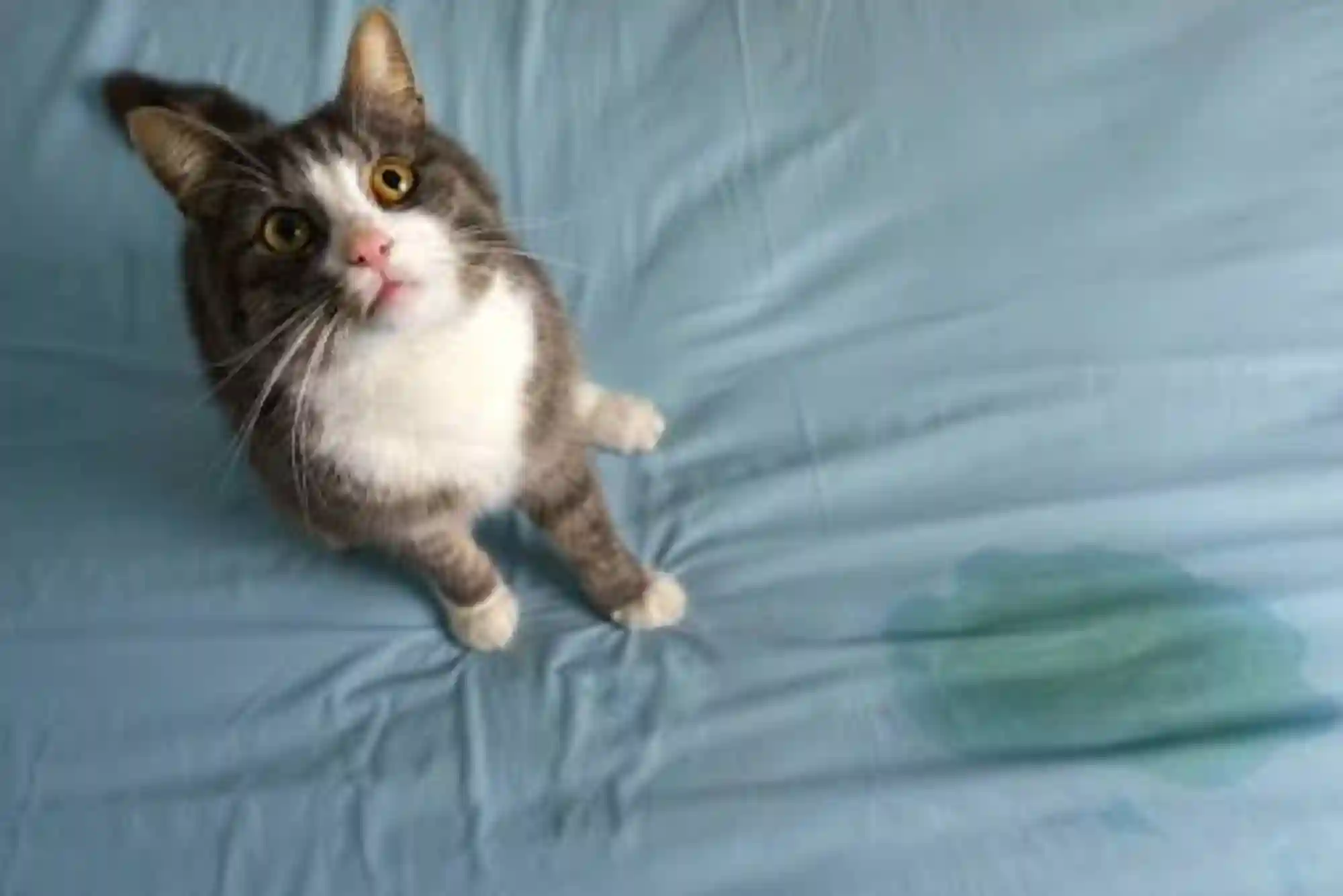
Why is my cat peeing outside the litter box? This is a common concern among cat owners. It can be frustrating to find urine on carpets, furniture, beds, or floors. However, this behavior usually has a reason. Cats rarely stop using their litter box simply to make a mess.
Medical problems, stress, litter preferences, dirty boxes, and household changes can all cause inappropriate urination. Therefore, finding the underlying cause is more important than simply cleaning the affected area.
If you are wondering, why is my cat peeing outside the litter box? 7 causes and solutions can help you understand what may be happening. Some causes require simple environmental changes. Others need prompt veterinary attention.
Why Is My Cat Peeing Outside the Litter Box?
When a cat suddenly starts urinating outside the box, the first step is to consider a medical problem. Urinary discomfort can make a cat associate the litter box with pain. As a result, your cat may choose another location that feels safer or more comfortable.
Cats can also develop litter box aversions. The litter may feel unpleasant, the box may be dirty, or the location may be noisy. In multi-cat homes, another cat may even make the box feel unsafe.
Behavioral causes are possible, too. Stress from moving, new pets, visitors, changes in routine, or outdoor cats can influence urination habits. Understanding the pattern can help you identify the most likely cause.


Cause 1: Urinary Tract Problems
Urinary tract problems are one of the most important causes to consider. Cats with lower urinary tract disease may urinate frequently or strain while trying to urinate. They may also cry, lick their genital area, or produce blood-tinged urine.
Conditions can include bladder inflammation, urinary stones, infections, and urethral obstruction. Importantly, urinary infections are not the only explanation for these symptoms. Several urinary disorders can produce similar signs.
The Solution
Schedule a veterinary examination if your cat suddenly changes its bathroom habits. A veterinarian may perform a physical examination and urinalysis. Additional tests can sometimes be needed to identify the underlying problem.
Never assume the problem is purely behavioral. Cats can have significant medical problems without appearing obviously sick.
Cause 2: Your Cat Dislikes the Litter Box
Sometimes the box itself is the problem. Cats can be surprisingly particular about their bathroom environment. A box that is too small, covered, dirty, or difficult to access may discourage regular use.
The type of litter can also matter. Some cats dislike strong fragrances or certain textures. Cornell experts note that many cats prefer fine-textured, unscented litter and clean, accessible boxes.
The Solution
Try making the litter box more comfortable and predictable. Keep it clean and place it somewhere quiet. Avoid locations next to loud appliances or areas with constant household traffic.
If you recently changed litter, consider returning to the previous type. You can also introduce a new litter gradually instead of changing it suddenly.
Cause 3: There Are Not Enough Litter Boxes
Multiple cats often need multiple bathroom options. One cat may prevent another from comfortably accessing a shared box. Even without obvious fighting, subtle social tension can affect litter box behavior.
Veterinary guidance commonly recommends providing enough boxes throughout the home. Cornell specifically recommends an adequate number, often one more box than the number of cats.
The Solution
Spread litter boxes across different quiet areas. Avoid putting every box in the same room because this can still create a single resource area.
For example, a home with two cats may benefit from three separate boxes. This gives each cat more flexibility and reduces competition.
Cause 4: Stress or Anxiety
Stress is another major reason cats may urinate outside their litter box. Cats often respond strongly to environmental changes. Moving furniture, introducing another pet, changing routines, or seeing unfamiliar cats outside can increase stress.
Stress can also contribute to feline idiopathic cystitis, a painful bladder condition without an identifiable underlying cause. Environmental stress reduction is an important part of managing affected cats.
The Solution
Give your cat predictable routines and safe places to retreat. Regular feeding and play schedules can provide stability.
Provide scratching areas, climbing opportunities, hiding places, and interactive play. These environmental improvements can help your cat feel more secure.
If another cat is causing tension, provide separate food, water, resting, and litter areas. Avoid forcing cats to share resources.
Cause 5: Territorial Urine Marking
Not every case of inappropriate urination means your cat is avoiding the litter box. Sometimes the behavior is urine marking.
Spraying typically involves small amounts of urine deposited on vertical surfaces. The cat may stand with its tail raised and direct urine backward. This differs from normal urination, which usually produces a larger puddle on a horizontal surface.
Territorial marking can happen when cats feel threatened by other animals. Outdoor cats visible through windows can also trigger territorial behavior.
The Solution
First, determine whether your cat is spraying or simply urinating outside the box. This distinction can make treatment much easier.
Reduce exposure to potential territorial triggers where possible. Keep routines consistent and provide secure areas where your cat can relax.
A veterinarian can also help evaluate whether medical or behavioral factors are contributing.
Cause 6: Age, Arthritis, or Other Health Conditions
Older cats may have difficulty reaching or entering a litter box. Arthritis can make climbing into a high-sided box uncomfortable. Mobility problems may also make a distant box harder to reach in time.
Age-related diseases can increase urine production as well. Kidney disease, diabetes, and hyperthyroidism may cause cats to urinate more frequently.
The Solution
Make the litter box easy to access. A box with lower sides can help cats with mobility problems.
Place a box close to your older cat’s favorite resting area. Avoid making your cat climb stairs or travel across the entire house to reach the bathroom.
If an older cat suddenly starts having accidents, arrange a veterinary checkup. Behavioral changes in senior cats should not automatically be dismissed as normal aging.
Cause 7: Your Cat Has Developed a Preference for Another Location
Cats can develop preferences for particular surfaces or locations. A cat that previously experienced painful urination may begin using a carpet, bed, bathtub, or another comfortable area.
Over time, that location can become a learned bathroom preference. Cornell explains that an initial medical or litter box problem can eventually lead to continued elimination at a preferred site.
The Solution
Clean soiled areas thoroughly with an appropriate enzymatic cleaner. Ordinary household cleaners may not completely remove urine odors that cats can detect.
Then make the preferred location less attractive. At the same time, make the litter box clean, comfortable, and easy to access.
If possible, temporarily place a litter box near the preferred location. Once your cat consistently uses it, you can gradually move the box.
When Should You Take Your Cat to the Vet?
If you are asking, why is my cat peeing outside the litter box?, do not ignore sudden changes. Urinating outside the box can be an early sign of urinary disease.
Seek veterinary care promptly if your cat strains repeatedly, cries while urinating, produces very little urine, has blood in the urine, or repeatedly visits the litter box.
A cat that repeatedly tries to urinate but produces little or no urine may have a urinary obstruction. This is especially concerning in male cats and requires immediate veterinary treatment. A complete blockage can become life-threatening.
Do not wait for the problem to resolve on its own when these warning signs appear.
How Can You Stop a Cat From Peeing Outside the Litter Box?
The most effective approach is to address both health and environment. Start by ruling out medical problems with your veterinarian. Then evaluate the litter, box, location, cleanliness, and number of boxes.
Keep boxes clean and use a litter your cat accepts. Provide quiet locations and easy access. If stress is involved, create predictable routines and increase environmental enrichment.
Avoid punishment. Yelling, hitting, or frightening your cat can increase stress and make the behavior worse. Instead, focus on identifying the reason behind the behavior.
Remember that the longer inappropriate urination continues, the more likely the behavior can become established. Early intervention gives you a better opportunity to correct the underlying problem.
Frequently Asked Questions
Why is my cat suddenly peeing outside the litter box?
Sudden urination outside the litter box can have medical or behavioral causes. Urinary inflammation, stones, infections, stress, litter box aversion, and household changes are possible explanations. A sudden change should be discussed with a veterinarian, particularly when other urinary symptoms are present.
How do I stop my cat from peeing outside the litter box?
Start by checking for medical problems. Then make the litter box clean, accessible, quiet, and comfortable. Using suitable litter and providing enough boxes can also help. If stress or territorial behavior is involved, environmental changes may be necessary.
Why is my cat peeing on the floor but pooping in the litter box?
This can happen when urination has become uncomfortable or when the cat dislikes something about the litter box. Some cats also develop preferences for particular surfaces. A veterinary examination can help rule out urinary disease before behavioral causes are addressed.
Why is my cat peeing on my bed?
Beds are soft, absorbent surfaces that some cats may prefer when avoiding a litter box. Stress can also contribute to inappropriate urination. Thoroughly clean the area and investigate potential medical, litter box, or environmental causes.
How many litter boxes should I have for my cats?
A commonly recommended approach is to provide one more litter box than the number of cats. Boxes should also be distributed across suitable areas rather than concentrated in one location.
Is peeing outside the litter box a sign of a UTI?
It can be, but a UTI is only one possible explanation. Cats can develop several urinary conditions that cause similar symptoms. A urine examination and veterinary assessment can help determine the actual cause.
Conclusion
If you keep asking, why is my cat peeing outside the litter box?, remember that the behavior is usually a signal rather than deliberate misbehavior. Medical discomfort, litter box problems, stress, territorial marking, mobility issues, and location preferences can all play a role.